Why Won't My Cat Drink Water From a Bowl? 9 Real Reasons
🔎 Free tool: Curious what’s really in your pet’s food? Search any ingredient in our Pet Food Ingredient Decoder.
If your cat refuses to drink from its bowl, don’t take it personally. It’s rarely stubbornness. Cats descend from desert dwellers, their whiskers are wired with nerve endings, and most of them have a built-in distrust of still, stagnant-looking water. The good news? Once you know what’s actually going on, the fixes are usually simple.
1. Whisker Fatigue (Whisker Stress)
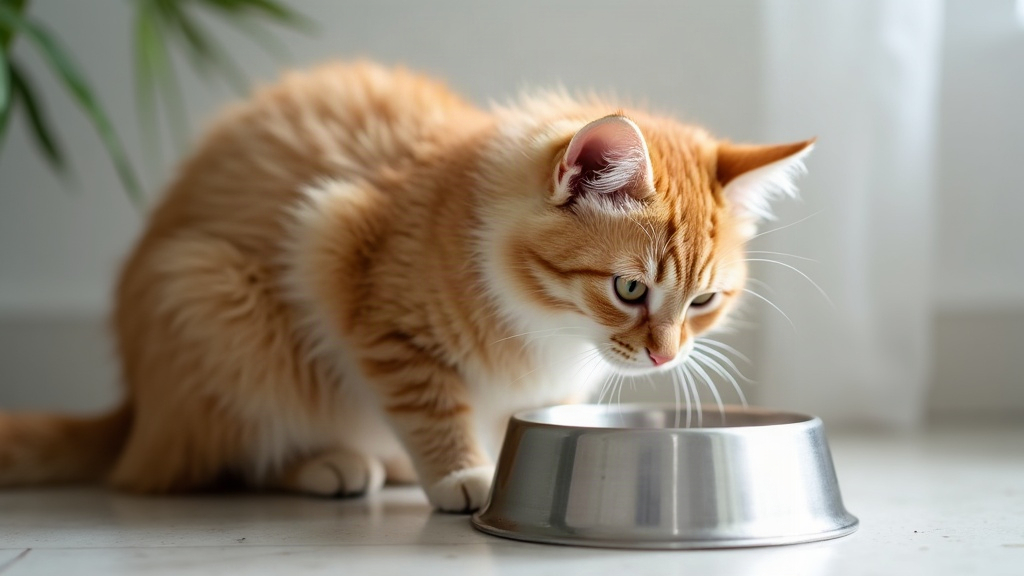
A cat’s whiskers are loaded with sensory nerves, way more sensitive than most owners realize. Put that face in front of a narrow, deep bowl and the whiskers brush the sides with every single sip. That constant friction adds up to something vets now call “whisker fatigue,” and for some cats it’s uncomfortable enough that they’d rather skip the water altogether.
Fix: Switch to a wide, shallow bowl or even a plate, something where the whiskers never brush the rim.
2. Bowl Material and Smell
Plastic is porous at a microscopic level, so it soaks up odors over time and starts giving off a faint plastic or soapy smell. To us it’s nothing. To a cat’s nose, which is around 14 times more sensitive than ours, it’s a turn-off. On top of that, some cats develop chin acne from plastic contact, which makes the whole eating-and-drinking routine physically uncomfortable.
Fix: Go with stainless steel, ceramic, or glass, and rinse it with mild, unscented soap every day.
3. Water Bowl Placement
Here’s an instinct left over from the wild: cats avoid drinking anywhere near their food or their litter box, because in nature that kind of proximity risked contaminating a water source. So if your cat’s bowl sits three inches from its kibble, it might just be ignoring the water on principle.
Fix: Spread a few bowls around quiet corners of the house, well away from food and litter.
4. Cats Prefer Moving Water
A still bowl reads as “possibly unsafe” to a cat’s brain, because moving water in nature tends to be cleaner and fresher. That’s exactly why your cat might sprint to lap at a dripping bathroom faucet while ignoring a full bowl sitting two feet away in the kitchen.
Fix: A cat fountain works wonders here. The circulating stream taps into that same curiosity a dripping tap does, and a lot of cats end up drinking noticeably more once one is installed.
5. Water Freshness and Temperature
Cats taste and smell water on a level we can’t really relate to. Water left out for six or eight hours picks up dust, bits of food, maybe a faint stale taste, none of which we’d ever notice, but a cat will.
Fix: Change the water once or twice a day at minimum. And try it slightly cool. Plenty of cats turn their nose up at room-temperature water but happily drink cold.
6. Bowl Depth Reflecting Light or Their Own Face
Ever seen a cat freeze mid-approach to a bowl, back away, then circle back cautiously? Sometimes that’s their own reflection staring back at them from a dark, deep bowl, especially under dim lighting. It sounds almost silly, but it’s a real source of hesitation for some cats.
Fix: A shallow, matte, light-colored bowl cuts down on reflections almost entirely.
7. Getting Enough Moisture From Food
If your cat eats mostly wet food, it could already be pulling 70 to 80 percent of its daily moisture straight from meals. In that case, low interest in the water bowl isn’t a red flag at all, it’s just math.
Fix: Instead of counting bowl visits, watch for the actual hydration signs listed further down.
8. Bowl Size and Number
In a house with more than one cat, sharing a single water source can get complicated fast, especially if there’s any friction between the cats (and let’s be honest, there usually is some). One bowl might just feel too small, too exposed, or too contested.
Fix: Set up multiple stations. A reasonable rule: one bowl per cat, plus one spare, placed in different rooms.
9. Underlying Health Issues
Most of the time this is behavioral. But a sudden shift, drinking way more, drinking way less, or refusing water entirely while also acting lethargic, can point to something medical: kidney disease, diabetes, or dental pain that makes lapping water actually hurt.
When to call the vet:
- Sudden increase or decrease in water intake
- Weight loss or vomiting
- Bad breath or difficulty chewing
- Lethargy or hiding
Signs Your Cat Is Actually Dehydrated
- Dry, tacky gums
- Loss of skin elasticity (skin tent test)
- Sunken eyes
- Reduced litter box output
Quick Checklist to Encourage Drinking
- Use wide, shallow, non-plastic bowls
- Keep water away from food and litter
- Refresh water daily
- Try a pet fountain for movement
- Offer multiple locations and bowls
- Add wet food to boost overall moisture intake
Conclusion
Nine times out of ten, a cat ignoring its water bowl isn’t being difficult, it’s reacting to whisker discomfort, bad placement, stale water, or just a natural preference for movement. Swap in a shallow ceramic bowl, move it away from the food dish, maybe add a fountain, and you’ll often see a real difference within days. But if the change in drinking habits comes on suddenly or shows up alongside other symptoms, skip the guesswork and get your vet to rule out anything more serious.