Why Cats Overgroom One Specific Spot (Stress vs. Allergy)
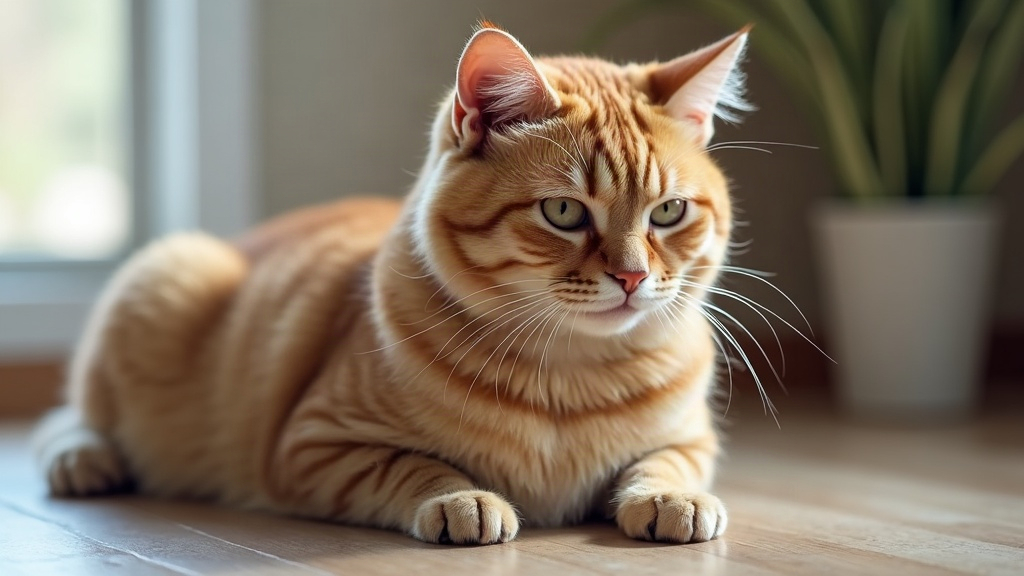
If your cat keeps licking, chewing, or pulling fur from one specific spot (usually the belly, inner thigh, lower back, or a front leg), you’re looking at what vets call localized overgrooming. Two very different things can cause it: behavioral stress (psychogenic alopecia) or an underlying skin allergy. Here’s the annoying part. From across the room, both look almost identical. But treat the wrong one and the bald patch just keeps coming back. Below is a rundown of what to check so you can narrow down which one you’re actually dealing with, and when it’s time to just call the vet instead of guessing.
Why Cats Fixate on One Spot
Grooming works like a release valve for cats. An anxious, bored, or sore cat will often funnel that energy into one reachable spot rather than grooming evenly all over. A few “hot zones” show up again and again:
- Belly and inner thighs - easy to reach while lying down, a common target for stress-related licking
- Lower back near the tail - this is the classic flea allergy dermatitis zone
- Front legs and paws - often linked to anxiety, or sometimes a localized irritation like a healing scratch or an old insect bite
- Flank (side of the body) - the textbook location for psychogenic alopecia, especially in high-strung breeds like Siamese and Abyssinians
The “one spot only” pattern is itself a useful clue. Cats with a body-wide allergy (food allergies, for instance) usually groom more broadly, across several areas. Cats with one specific trigger, a flea bite, a stress association tied to a particular posture, or a localized skin problem, tend to zero in on a single patch and wear it down.
Signs It’s Stress-Driven (Psychogenic Alopecia)
- Hair loss with no redness, scabs, or sores underneath, just thinning fur or bald skin that otherwise looks normal
- The licking tracks with specific triggers: a new pet in the house, the owner leaving for a trip, a move, construction noise next door
- The cat is otherwise fine, eating well, playing, using the litter box without issue
- Anxiety-prone breeds (Siamese, Abyssinian, Burmese) show up disproportionately often
- The spot tends to be symmetrical over time, or it drifts slightly but always stays within reach, in those self-soothing zones
Signs It’s a Skin Allergy
- The skin underneath is red, inflamed, scabbed, or dotted with small bumps (what vets call miliary dermatitis)
- You spot fleas or flea dirt, those tiny black specks, even on a cat that never goes outside
- The area feels warm to the touch or looks a bit puffier than the skin around it
- Your cat scratches or bites at the spot suddenly, almost like something just stung
- Other symptoms tag along: sneezing, watery eyes, or an upset stomach (a possible sign of food allergy)
- The spot keeps getting worse even though the cat seems perfectly calm otherwise, no obvious stress trigger in sight
How to Tell the Difference at Home
- Check the skin, not just the fur. Part the hair gently and actually look. Allergies almost always leave some visible mark, redness, scabs, bumps. Pure stress licking usually doesn’t.
- Track the timing. Keep a quick log on your phone, just a line or two each time you notice it. If the licking clusters around guests arriving or the schedule changing, stress is probably playing a role.
- Rule out fleas first. It sounds obvious, but one single flea bite can set off serious itching in a sensitive cat. Run a flea comb over the spot and the skin nearby before you assume it’s “just stress.”
- Watch for symmetry. Flea bites and contact irritants tend to hit unevenly, worse on one side than the other. Psychogenic licking is often more evenly spread.
- Note what’s changed recently. New food, new litter brand, new laundry detergent, even a new blanket resting against that part of the body, any of these can point toward a contact or food allergy.
When to See a Vet
Don’t sit on this too long. Chronic overgrooming can turn into skin infections, open sores, or lasting damage to the hair follicles. Get to a vet if:
- The spot looks raw, is bleeding, or has an odd smell
- The hair loss has gone on for more than 2-3 weeks
- Your cat is also losing weight, vomiting, or just seems off and lethargic
- A week of home flea treatment hasn’t made a dent in the itching
A vet can run a proper allergy workup, an elimination diet, a skin scraping, a flea trial, and figure out what’s really going on. If it turns out to be behavioral, they might suggest more enrichment at home, pheromone diffusers, or in some cases, anti-anxiety medication.
Conclusion
A cat that keeps overgrooming one spot is trying to tell you something, it’s just not always the same something. Red, scabbed, bump-covered skin usually points to allergies or parasites. Clean, bald skin with an obvious stress trigger points to anxiety. If you’re still not sure after checking, a quick vet visit with a skin check and flea exam will settle it in minutes, and stop one small bald patch from turning into a much bigger problem.