Why Cats Suddenly Refuse Their Favorite Food Brand
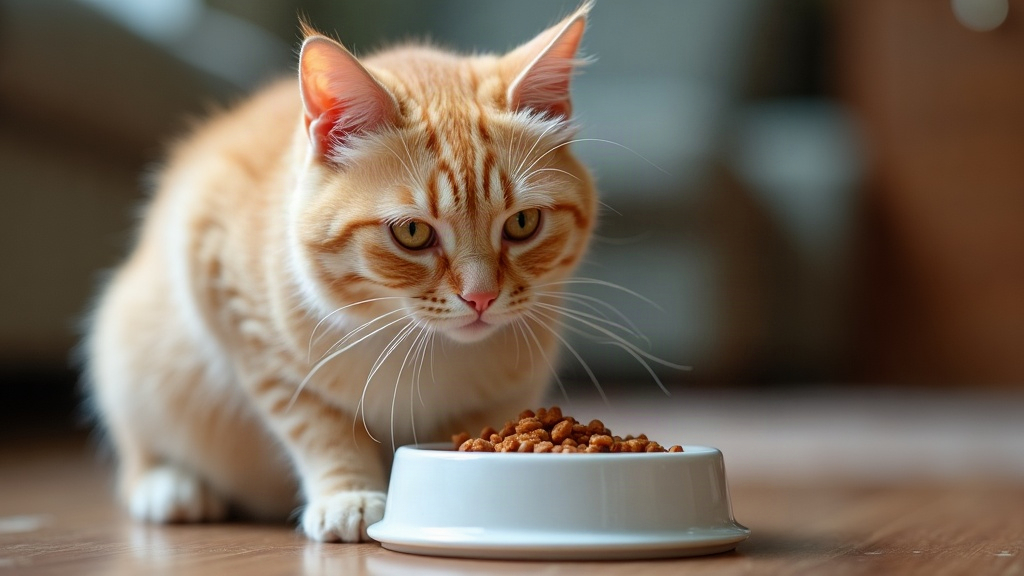
If your cat has eaten the same food for years and suddenly turns its nose up at it, you’re not imagining things. This is a genuinely common, well-documented feline behavior, and it happens to even the pickiest-proof cats. The causes range from subtle recipe tweaks and plain old sensory fatigue to health issues that actually need a vet’s attention. Figuring out the “why” first means you respond the right way instead of panic-buying five new brands at the pet store.
1. The Formula Actually Changed
Pet food companies tweak recipes far more often than most owners assume. A new protein source here, a slightly different fat percentage there, maybe a reshaped kibble pellet. Cats have a remarkably sharp sense of smell, sharp enough to pick up these changes even when the bag on your shelf looks exactly the same as last month’s.
What to check:
- Compare the ingredient list on the current bag against an old photo or receipt, if you happen to have one.
- Watch for a “new and improved” label. In practice, that phrase almost always signals a recipe change.
- Check whether the manufacturing plant changed. It’s often buried in small print, or you can just call customer service and ask.
2. Sensory-Specific Satiety (“Food Boredom”)
Cats, like a lot of animals, can develop a temporary aversion to something they’ve eaten over and over. There’s a name for it: sensory-specific satiety. The food itself isn’t the problem. The brain simply starts associating it with less reward the more times it shows up in the bowl.
This tends to show up most in cats stuck in a rigid routine: same meal, same bowl, same time, day after day, for years on end. A simple fix is rotating between two or three trusted flavors, even within the same brand, before the boredom ever sets in.
3. Associating Food With a Bad Experience
Cats build strong negative associations, and they build them fast. If your cat vomited shortly after a meal, felt pain during a vet visit that happened near mealtime, or got startled while eating (a loud bang, another pet shoving its way into the bowl), the fear can get pinned on the food itself, even though the food had nothing to do with what actually happened.
Signs this is the cause:
- The refusal started suddenly, right after a specific stressful event you can point to.
- Your cat walks up to the bowl, sniffs, then turns and walks away without eating a bite.
- Food from other brands gets eaten just fine.
4. Underlying Dental or Health Issues
A sudden refusal to eat is one of the earliest, most reliable warning signs of illness in cats. Worth ruling out:
- Dental disease. Tooth resorption or gingivitis can make crunchy kibble genuinely painful to chew.
- Kidney disease or diabetes. Appetite shifts usually show up alongside increased thirst and more frequent urination.
- Nausea from GI trouble. Hairballs, IBD, pancreatitis, all of these can kill a cat’s appetite fast.
- Upper respiratory infection. A stuffy nose cuts off smell, and cats mostly eat with their nose before their mouth ever gets involved.
Red flag: if your cat refuses all food, not just the one brand, or goes more than 24 hours without eating, or shows lethargy, vomiting, or weight loss, call your vet. Don’t wait it out. Even a short fasting period can push a cat into hepatic lipidosis (fatty liver disease), and that’s a serious, fast-moving condition.
5. Texture or Temperature Preferences Changed
Older cats in particular develop firmer opinions about texture as their teeth and jaw strength shift with age. A cat that happily crunched through dry kibble at age 3 might flatly refuse anything but soft pâté by age 10. Temperature matters too: food straight out of the fridge is a lot less appealing than food warmed just slightly, enough to bring the aroma back to life.
How to Respond the Right Way
- Rule out illness first. A vet check is the safest starting point, especially for cats over 7 or any cat that’s gone more than a day without eating.
- Try the same brand in a different format (wet instead of dry, or another flavor in the same product line) before writing the brand off entirely.
- Warm wet food slightly, close to body temperature, to bring out more aroma.
- Don’t keep switching foods every time your cat turns up its nose. That trains cats to hold out for something “better,” a pattern vets call food finickiness.
- Transition to anything new gradually, over 7-10 days, mixing in increasing amounts of the new food with the old. It spares the stomach and gives your cat time to actually accept the change.
Final Thoughts
A cat snubbing a once-favorite food is almost never random. Nine times out of ten it traces back to a recipe change, sensory fatigue, a bad association, a shift in texture preference, or an early health warning sign. Rule out medical causes first, then check the packaging and recipe before deciding your cat has simply “gotten picky.” Do a little detective work, and most feeding problems sort themselves out within a week or two.