Why Senior Cats Suddenly Stop Using the Litter Box After Surgery
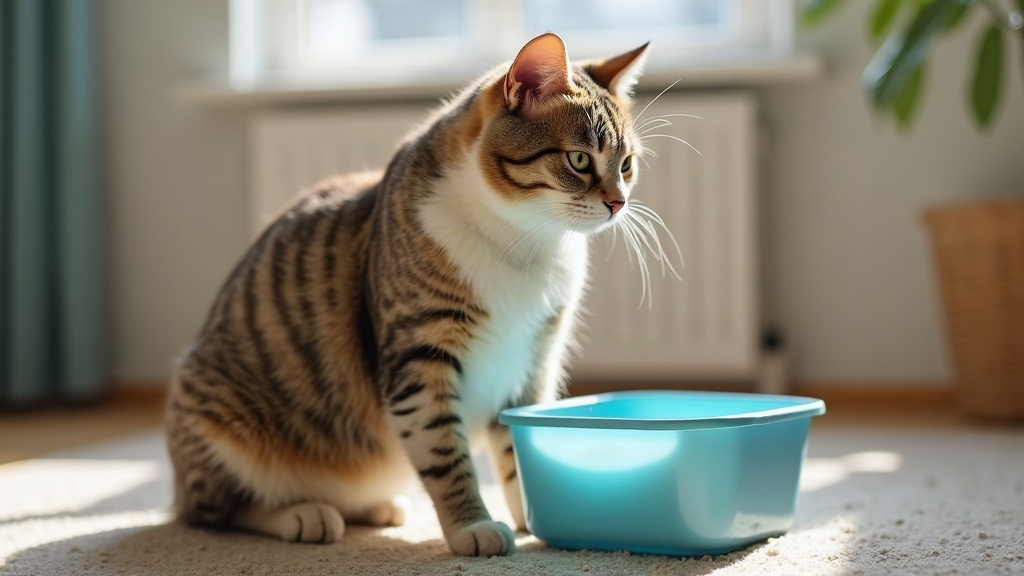
If your older cat suddenly quits using the litter box after a surgery, don’t jump to “spite” as the explanation. It’s almost never that. The real culprits are usually much simpler: pain, limited mobility, medication side effects, lingering grogginess from anesthesia, or a bad association the cat picked up with the box while recovering. Cats aren’t holding grudges here. They’re telling you something hurts or something feels wrong, and the litter box has become collateral damage.
Why This Happens So Often in Older Cats
Senior cats bounce back from procedures more slowly than younger ones, and surgery stacks several stressors on top of each other at once. A 12-year-old cat recovering from a dental extraction isn’t dealing with just sore gums, it might also be arthritic, slightly dehydrated, and confused from sedation, all at the same time. Once you understand what’s actually going on physically, it’s a lot easier to respond with patience instead of frustration.
1. Pain and Physical Discomfort
Think about what the surgery site actually involves. A spay incision, a tooth extraction, a mass removal, an orthopedic repair, each one changes how comfortable it is to move, crouch, or dig.
- Abdominal incisions make crouching genuinely painful, not just awkward.
- Sore paws (from a declaw or a biopsy) turn the simple act of scratching litter into something to avoid.
- Arthritis, which many senior cats already have quietly in the background, flares up after days of forced inactivity.
If climbing into a high-sided box means pain every time, a cat will often just go right next to it instead. That’s not defiance, that’s problem-solving on their end.
2. Anesthesia Hangover and Disorientation
Because older cats metabolize drugs more slowly, anesthesia can stay in their system for 24 to 72 hours longer than it would in a younger cat. During that window you might see:
- Temporary confusion about where the box even is
- Reduced control over bladder or bowels
- Lethargy so heavy the cat simply doesn’t make it to the box in time
3. Medication Side Effects
Pain relievers and antibiotics prescribed after surgery often increase thirst, and more drinking means more trips to the litter box, sometimes far more frequent than the cat’s normal routine. A cat that used to go twice a day might suddenly need to go five or six times, and their body may not always give them enough warning.
4. Cone of Shame and Mobility Barriers
Ever tried to watch a cat wearing an e-collar attempt to squeeze into a covered litter box? It’s clumsy, loud, and frustrating for the cat. The cone bangs against the sides, gets stuck, or makes the whole experience noisy and unpleasant enough that the cat starts avoiding the box just to avoid the collar hitting it again.
5. New Negative Associations
Cats have long memories for bad experiences. If something painful, difficult, or messy happened in or near the box during recovery, that location gets flagged as unsafe in the cat’s mind, even weeks after the incision has fully healed.
How to Fix It: Step-by-Step
Step 1: Rule Out Medical Complications First
Before treating this as a behavior issue, call your vet if you notice any of the following:
- Straining with nothing coming out (this can be an emergency, particularly in male cats)
- Blood in the urine or stool
- Swelling, redness, or discharge around the incision
- Vomiting, or refusing food altogether
Step 2: Make the Box Physically Easier
- Swap in a low-sided box, even something improvised like a storage bin with one side cut down, while your cat recovers.
- Skip covered boxes for now. They trap odors and make maneuvering harder than it needs to be.
- Try a softer litter, like pelleted paper litter, which is far gentler on tender paws and fresh incisions than traditional clay litter.
Step 3: Increase Box Accessibility
- Put an extra box on every floor, and ideally right near wherever your cat is spending most of its recovery time.
- Keep boxes away from laundry machines, stairways, or anywhere that requires a jump. A weak, groggy cat shouldn’t have to hop over anything to relieve itself.
Step 4: Manage the Cone Carefully
If your cat has to wear a cone, ask your vet whether a soft recovery collar or an inflatable donut-style collar would work instead. Either option often makes it much easier for a cat to reach and use the box without knocking into everything, as long as it doesn’t put the surgical site at risk.
Step 5: Clean Thoroughly, Reset Associations
Had an accident outside the box? Clean it with an enzymatic cleaner, never anything ammonia-based, since ammonia can actually mimic the smell of urine and encourage repeat marking in the same spot.
When to Call Your Veterinarian
Get in touch with your vet right away if litter box avoidance shows up alongside:
- Crying out or vocalizing while trying to urinate
- No urination at all for more than 24 hours
- Lethargy that’s dragging on well past the expected recovery period
- Any visible problems at the incision site
Conclusion
When a senior cat starts avoiding the litter box after surgery, it’s almost always a message, not misbehavior. Manage the pain properly, make the box easier to reach and use, and keep an eye out for warning signs, and most cats settle back into their normal habits within a week or two. If something still feels off, don’t wait it out. Call your vet. Senior cats can hide symptoms well, and what looks like a minor litter box hiccup can sometimes point to something that needs attention sooner rather than later.