Why Does My Cat Vomit After Eating Wet Food in the Morning?
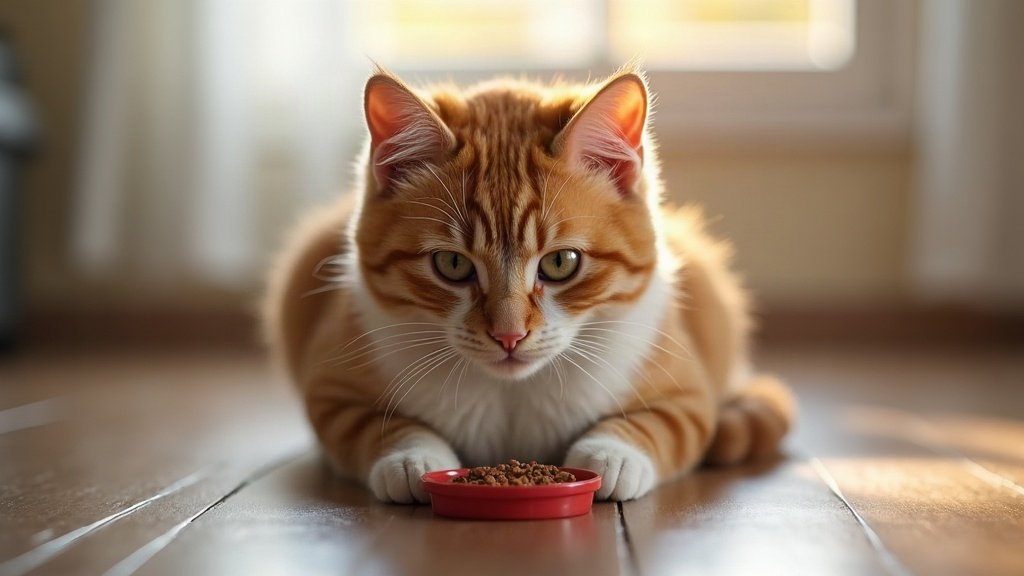
If your cat throws up every morning right after breakfast, but seems totally normal the rest of the day, don’t panic. This is actually one of the more predictable, fixable patterns in cat vomiting. Nine times out of ten it comes down to one of a handful of things: an empty stomach churning out bile all night, wolfing down food too fast, food that’s fridge-cold, or a mild reaction to a specific texture or ingredient. The fact that it’s isolated to mornings and wet food only actually makes your job easier.
Why Timing and Food Type Matter So Much
With cats, the when matters almost as much as the what. A cat that vomits randomly, after any meal, at any hour, is telling you something systemic might be going on (parasites, IBD, kidney trouble, that kind of thing). But a cat that only throws up after that first wet meal of the day? That’s pointing you toward something happening in the overnight gap, or in how fast that particular meal gets eaten.
1. Overnight Bile Buildup (Bilious Vomiting Syndrome)
This is by far the most common explanation. Leave a cat 10-12 hours without food overnight, and stomach acid and bile just keep accumulating with nothing to absorb them. Then breakfast hits that acidic environment and, boom, nausea. The result is usually yellow, foamy liquid mixed in with the food.
How to tell: Vomiting typically shows up 20-60 minutes after eating. You might also catch your cat bringing up plain bile on an empty stomach, even on days it hasn’t eaten yet.
Fix: A small bedtime snack does wonders here, think three or four bites of wet food, or a few pieces of kibble, just enough to shorten that long overnight fast. Plenty of owners fix this completely just by adding a “midnight snack” to the routine.
2. Eating Too Fast
Wet food practically slides down, and a cat that’s genuinely hungry after twelve hours will often inhale it. Less chewing, more gulped air, and food sitting there barely digested. The stomach basically says “nope” and sends it back up shortly after the bowl’s licked clean.
How to tell: The vomiting happens fast, within 1-10 minutes, and what comes back up looks almost untouched, barely broken down at all.
Fix:
- Switch to a slow-feeder bowl, or just a shallow plate that spreads the food thin
- Split the morning meal into two smaller portions, 15-20 minutes apart
- A puzzle feeder made for wet food can also slow things down nicely
3. Food Temperature
Cold food straight out of the fridge isn’t doing any favors for a stomach that’s just waking up. First thing in the morning, a sensitive gut can react to that cold shock more than it would later in the day.
Fix: Pull the wet food out 15-20 minutes before serving and let it come up to room temp. In a hurry? Sit the bowl in a bit of warm water for a minute (never microwave it hot, just take the chill off).
4. Ingredient or Texture Sensitivity
Some cats handle a food fine at dinner but react to that same food come morning, simply because the stomach is emptier and more reactive at that point. Texture plays a role too: pâté sits heavier than gravy or shredded styles, and that extra density can be enough to trigger reflux in a sensitive cat.
Fix: Experiment with texture, pâté versus shreds versus gravy, or try a limited-ingredient or sensitive-stomach formula for about a week and watch what happens.
5. Eating Position and Environment
A cat hunched over a low, flat bowl, eating fast, can end up swallowing air awkwardly along with the food. And in multi-cat homes, competition at the bowl often means rushed, gulped meals, which only makes things worse.
Fix: Try a bowl raised 2-4 inches, it changes the swallowing angle just enough to help. In multi-cat households, feed everyone in separate spots so nobody’s racing to finish first.
When It’s More Than Just Timing
If a few tweaks clear up the vomiting, there’s usually nothing to worry about. That said, book a vet visit if you’re seeing:
- Vomiting more than 2-3 times a week even after trying the fixes above
- Weight loss, low energy, or a cat that’s suddenly picky about eating
- Blood in the vomit, or something that looks like coffee grounds
- Vomiting combined with diarrhea
- A senior cat (8 years or older), or one with existing kidney or thyroid issues
Any of these can point to something more serious than a simple morning routine problem, chronic hairballs, food allergies, hyperthyroidism, or inflammatory bowel disease. Those need an actual diagnosis, not another bowl swap.
Quick Troubleshooting Checklist
- Add a small bedtime snack to close that long overnight gap
- Slow the eating down with a shallow bowl or split portions
- Take the chill off the food before serving
- Try switching up the texture or protein
- Keep a simple log for a week, noting the time, texture, and how much came back up
Conclusion
A cat that only vomits in the morning, and only after wet food, is almost never a cause for alarm. Most cases boil down to bile buildup overnight, eating too fast, or food that’s just too cold. Start simple: add a bedtime snack, give it five to seven days, and only layer on the other fixes if that alone doesn’t do it. And if the vomiting sticks around or gets worse no matter what you try, get your vet involved. Better to rule out something metabolic early than to keep guessing, and either way, you’ll get back to calmer, cleaner mornings.