Why Older Cats Lose Interest in Play and How to Fix It
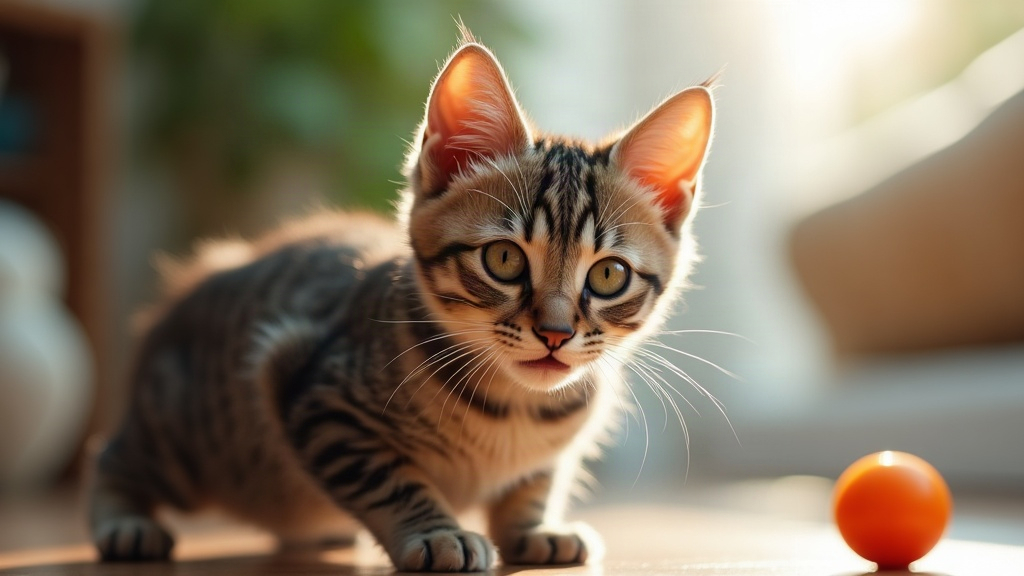
If your once-playful cat now ignores toys, wand feathers, and laser pointers, you’re not alone. Plenty of cat owners notice this shift right around the 7-10 year mark. The truth is, declining interest in play can come from completely normal aging, boredom with the same old toys, or an underlying medical issue like arthritis, dental pain, or hyperthyroidism. Learning to tell these apart matters, because writing off a health problem as “just old age” can let a treatable condition quietly get worse.
Why Senior Cats Naturally Play Less
Aging changes a cat’s body and brain in ways that chip away at the drive to chase and pounce.
- Lower energy reserves: Metabolism slows down, and the body starts rationing energy for the essentials.
- Reduced sensory sharpness: Vision and hearing fade a bit, so a fast-moving toy might be harder to track, or just less thrilling than it used to be.
- Joint stiffness: Even mild arthritis (shockingly common past age 10, though rarely diagnosed) makes jumping and pouncing uncomfortable.
- Shift in motivation: Older cats tend to gravitate toward slower, predictable interactions, think gentle petting, sunbathing, or just sitting near you, rather than high-energy games.
This is a gradual, normal process. A healthy senior cat can still surprise you with bursts of playfulness, especially when the stimulation suits their pace.
Signs It’s Boredom, Not Illness
Boredom-driven disinterest tends to follow a pretty specific pattern:
- The cat ignores familiar toys but perks right up at something new, a crinkly bag, a fresh catnip mouse, an unfamiliar texture.
- Appetite, litter box habits, grooming, and sleep all stay normal.
- The cat still moves the way it always has: jumping on the couch, stretching, poking around the house.
- Interest comes back with novelty. Rotating toys, puzzle feeders, or a new window perch can often revive engagement within a few days.
Quick fixes for boredom:
- Rotate toys weekly instead of leaving the same three out all the time.
- Introduce food puzzles to tap into hunting instincts without demanding much agility.
- Move the wand toy slowly and low to the ground rather than fast and erratic.
- Add vertical space (cat trees, window perches) for passive stimulation.
Signs That Point to an Underlying Illness
Get concerned if disinterest in play shows up alongside any of these:
- Reluctance to jump, or hesitation before jumping onto furniture the cat used to hop up on without a second thought. Classic arthritis sign.
- Weight loss despite a normal or bigger appetite. A red flag for hyperthyroidism or diabetes.
- Weight gain plus lethargy. Could point to hypothyroidism, or simple obesity, which drags down mobility on its own.
- Bad breath, drooling, or pawing at the mouth. Suggests dental disease, and a sore mouth makes any physical activity, play included, a lot less appealing.
- Changes in litter box habits. Straining, peeing more, accidents outside the box, these can signal kidney disease or urinary issues.
- Hiding more than usual, or snapping/pulling away when touched. Often a sign of pain.
- Dull, patchy, or greasy coat. Cats in pain or discomfort tend to slack off on grooming.
Notice two or more of these alongside reduced play? Book a vet visit instead of chalking it up to “just age.”
A Simple At-Home Test
Try a short, low-pressure play session with a favorite toy, 2-3 minutes, twice a day, for a week. Pay attention to:
- Does the cat respond at all, even just a little?
- Does it move normally (no limping, stiffness, or hesitation when turning)?
- Do energy and appetite match the usual baseline?
If the answer is yes across the board, you’re probably looking at normal aging or boredom, and enrichment should help. If the cat barely responds, or you spot stiffness, hesitation, or other red flags, book a vet checkup that includes bloodwork and a joint/mobility assessment.
How to Keep Senior Cats Engaged
- Swap high-jump toys for ground-level games, like a feather wand dragged slowly along the floor.
- Try solo puzzle feeders for independent mental stimulation.
- Set up heated beds near play areas; warmth eases joint stiffness and nudges cats toward moving around.
- Keep sessions short (3-5 minutes) but frequent, matching a senior cat’s shorter bursts of energy.
Conclusion
A drop in play isn’t automatically a red flag, but it’s not something to brush off either. Watch for changes in mobility, appetite, grooming, or litter habits alongside it. If none of those show up, enrichment and a few routine tweaks can often bring back your senior cat’s curiosity. If they do show up, a vet visit can catch treatable conditions early, buying your cat more comfortable, playful years ahead.