Why Cats Hide More Than Usual During Thunderstorm Season
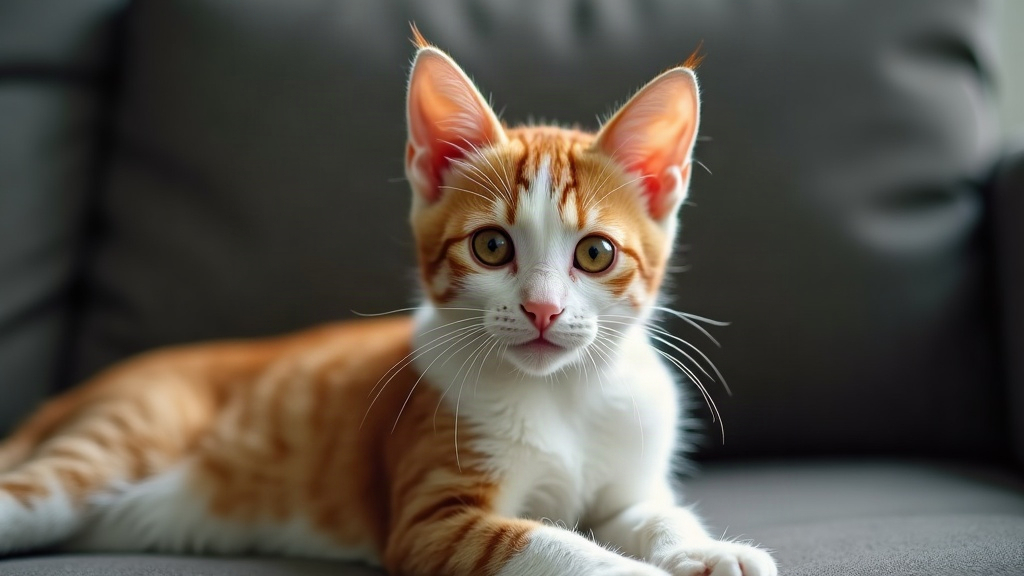
Every autumn and spring, cat owners notice the same thing happening on repeat: dark clouds roll in, and the cat that was just sprawled on the windowsill an hour ago is suddenly gone, wedged under the bed, tucked behind the couch, or hiding in the back of a closet. If you’ve caught yourself wondering why your otherwise social cat treats thunderstorm season like a five-alarm emergency, you’re not imagining things. Storm-related hiding is a well-documented feline behavior, and once you understand what’s actually driving it, helping your cat through it gets a lot easier.
Why Thunderstorms Trigger Hiding Behavior in Cats
Cats experience a storm through senses that are, frankly, on a different level than ours. A storm that barely registers for you (maybe a distant rumble and some rain on the window) can feel like a full sensory assault to a cat.
1. Heightened Hearing Sensitivity
Cats can pick up frequencies up to 64 kHz. Humans top out around 20 kHz. That gap matters a lot during a storm: the low rumble of thunder plus the sharp cracks land squarely in a range cats hear with startling clarity, often minutes before you’ve even registered that a storm is on its way.
2. Barometric Pressure Changes
Ever had a cat that seemed to “know” a storm was coming hours in advance? That’s not a sixth sense, it’s barometric pressure. Dropping air pressure can cause real physical discomfort, particularly in cats with joint problems or sinus sensitivity. The unease often sets in well before the first clap of thunder, sometimes a whole afternoon before.
3. Static Electricity
Storms build up static charge, both in the air and in your cat’s fur. That creates odd little tingling sensations a cat has no way of explaining, to itself or to you. Some behaviorists point to this as a major anxiety trigger, the same reason some dogs make a beeline for the bathtub or press themselves against metal pipes during storms.
4. Flashing Light and Sudden Darkness
A lightning flash followed by sudden darkness throws off a cat’s finely tuned vision. Stack that on top of the noise and the static, and you’ve got a cat dealing with stress from three directions at once.
5. Instinctual Survival Response
Out in the wild, loud and unpredictable noise almost always means danger. Hiding is simply a cat’s default move for staying alive. It’s not “overreacting.” It’s doing precisely what millions of years of evolution wired it to do.
Signs Your Cat Is More Stressed Than Usual
Not every cat hides the same way, and some show stress in subtler forms. Keep an eye out for:
- Hiding in unusual spots (closets, under furniture, behind appliances)
- Excessive grooming or sudden fur pulling
- Skipping meals on stormy days
- Dilated pupils, flattened ears, or a crouched, tense posture
- Clinginess right after the storm passes
- Litter box accidents tied to stress
If these symptoms hang around well after the storm has cleared, it’s worth a mention at your next vet visit, especially if there’s a pattern of chronic anxiety forming.
How to Help Your Cat Cope With Storm Season
Create a Reliable Safe Space
Set up a quiet, enclosed spot, a covered cat bed, a cardboard box lined with blankets, or a closet shelf, somewhere far from windows. Let your cat discover and claim this spot on its own time rather than trying to shove it in there the moment thunder starts.
Mask the Noise
A fan, a white noise machine, or even soft music can take the edge off thunder’s sharp cracks and soften the acoustic jolt.
Use Anti-Static Solutions
Wiping your cat’s fur down with a slightly damp cloth before a storm rolls in can cut down on static buildup. There are also anti-static sprays made specifically for pets if you want something more targeted.
Try Pressure Wraps
Calming wraps for cats (the feline version of a ThunderShirt) apply steady, gentle pressure that mimics swaddling. A surprising number of cats find this genuinely calming.
Stay Calm Yourself
Cats are sharp readers of human body language. If you hover and fuss and talk in a worried tone, you’re basically confirming to your cat that something’s wrong. Act normal. Keep your voice even. Let your cat come to you for comfort instead of chasing it down.
Consider Pheromone Diffusers
Synthetic feline facial pheromone diffusers, Feliway being the most recognized brand, can lower baseline stress noticeably over the course of storm season, provided you use them consistently rather than just during the storm itself.
Talk to Your Vet About Severe Cases
If your cat is panicking hard (pacing frantically, hiding for hours after the storm has passed, or injuring itself), it’s time to call the vet. Short-term anti-anxiety medication or situational-stress supplements might be appropriate.
When to Worry vs. When It’s Normal
A cat ducking under the bed during a storm and coming out once it’s over? Totally normal. What should raise a flag is anxiety that starts spilling into ordinary, storm-free days, appetite loss that doesn’t bounce back, or a cat that becomes withdrawn or aggressive on a longer-term basis.
Final Thoughts
Cats hide more during storm season because their senses are built to catch danger signals we can’t even perceive, pressure shifts, static charge, thunder frequencies pitched well above what we hear. The reassuring part is that a handful of practical changes (a dependable safe space, some noise masking, and a calm household) can take most of that stress off the table. No single product fixes this overnight. What actually works is patience and consistency, giving your cat the time it needs to trust that your home stays safe, no matter what’s happening outside the windows.