Why Does My Cat Knead Blankets Before Sleeping?
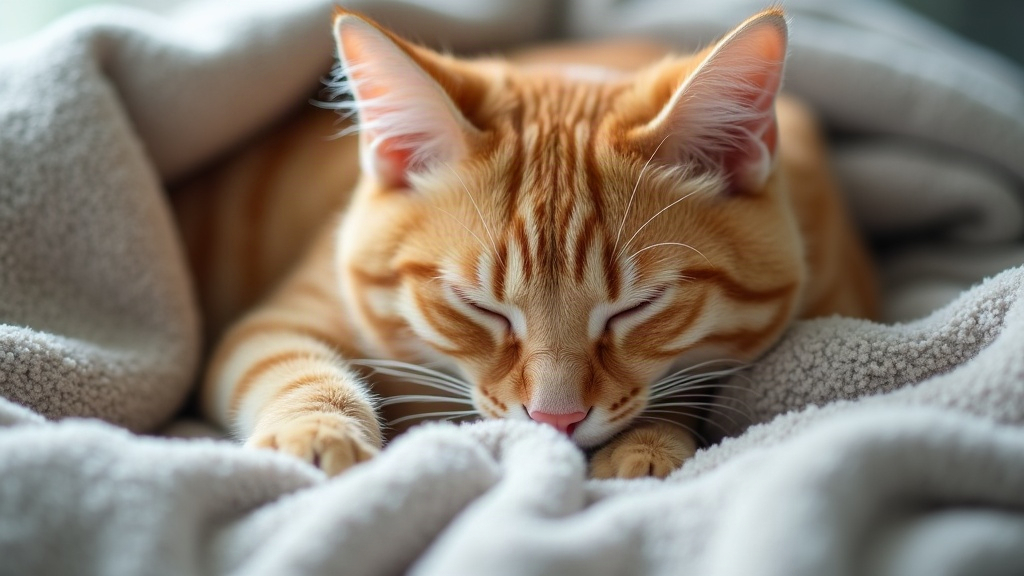
If your cat rhythmically presses its paws into a blanket, a pillow, or your lap right before curling up for a nap, you’ve just watched one of the most common (and completely harmless) cat behaviors out there: kneading. It’s rooted in something kittens do from the moment they’re born, and that “making biscuits” motion almost always means your cat is comfortable and content. No need to panic, unless it shows up alongside some unusual symptoms, which we’ll get to.
What Is Kneading, Exactly?
Kneading is that repetitive push-push-push motion cats make with their front paws, alternating left, right, left, right. Sometimes it comes with purring, sometimes drooling, sometimes claws going in and out like tiny switchblades. Cats usually aim this at soft stuff: blankets, cushions, a stuffed toy, or your stomach if you happen to be lying down at the wrong (or right) moment. It tends to show up right before a nap or before settling in for the night.
Why Do Cats Knead Blankets Before Sleeping?
1. A Leftover Kitten Instinct
Newborn kittens knead their mother’s belly to get the milk flowing. That’s literally what it’s for. Adult cats don’t nurse anymore, obviously, but the motion never really goes away. It just morphs into a soothing, almost automatic habit tied to feeling safe and satisfied, like an adult still biting their nails from a childhood habit.
2. Creating a Comfortable Sleeping Spot
Picture a wild cat pressing down tall grass or dry leaves to build a soft nest before lying down. That instinct is still very much alive in your living room. Kneading a blanket is basically your cat doing the same “let me fluff this up first” routine, just on a couch cushion instead of a meadow.
3. Marking Territory with Scent
Here’s a detail most people don’t know: cats have scent glands right in their paw pads. Every knead deposits a bit of pheromone onto the blanket, quietly stamping it as “mine.” That’s a big reason your cat always wants that one specific blanket, or insists on sleeping in the same corner of the bed every single night.
4. Self-Soothing and Stress Relief
Kneading seems to trigger a kind of calm, almost trance-like state, not unlike how a person might tap their foot or stretch out their shoulders before bed. Cats that knead a lot before sleep are, in a sense, just winding down. It’s their version of a bedtime ritual.
5. Signs of Affection and Trust
If your cat climbs onto your lap and starts kneading away, take it as a compliment. It usually signals real trust and comfort, an echo of that early nursing bond with its mother, now redirected at you.
Is Kneading Ever a Cause for Concern?
For the overwhelming majority of cats, kneading is just a normal, sleepy-time quirk that doesn’t need fixing. Still, a few patterns are worth watching for:
- Excessive or obsessive kneading that won’t stop, especially if it’s paired with over-grooming or pulling out fur. That combination can point to anxiety.
- Kneading combined with sucking on fabric. This is common in cats weaned too early and is usually harmless, though it’s worth keeping an eye on if your cat is chewing through sweaters or blanket corners.
- Sudden, aggressive kneading paired with vocalizing, meowing, growling, that sort of thing. If this is a new behavior, it could be linked to pain, hormonal shifts, or an underlying health issue, and it’s worth a quick vet visit.
- Kneading followed by heavy drooling or biting the blanket. In Oriental or Siamese-type cats, this is often just an intense nursing instinct and nothing to worry about. In senior cats, though, it’s worth checking for dental pain if it’s a new development.
If your cat’s kneading habit has been consistent and calm for a while now, relax. It’s just part of the nightly routine, nothing more.
How to Support Healthy Kneading Behavior
- Give your cat a soft blanket or bed it’s allowed to knead as much as it wants.
- Keep those nails trimmed so they don’t snag fabric (or your skin).
- Don’t try to train the behavior away. It’s a natural stress-reliever, not a bad habit.
- If the claws get uncomfortable when your cat kneads on your lap, just slip a folded blanket between the paws and your skin.
Conclusion
Kneading blankets before bed is a deeply wired, comforting ritual that traces straight back to kittenhood nursing and that old territorial-marking instinct. In almost every case, it simply means your cat feels safe, relaxed, and ready to sleep, not a warning sign at all. The only time to call the vet is if the kneading turns obsessive, aggressive, or comes bundled with other troubling symptoms. Otherwise? Let the biscuit-making continue. It’s just your cat’s way of saying goodnight.