Winter Paw Cracking in Dogs Who Walk on Salted Sidewalks
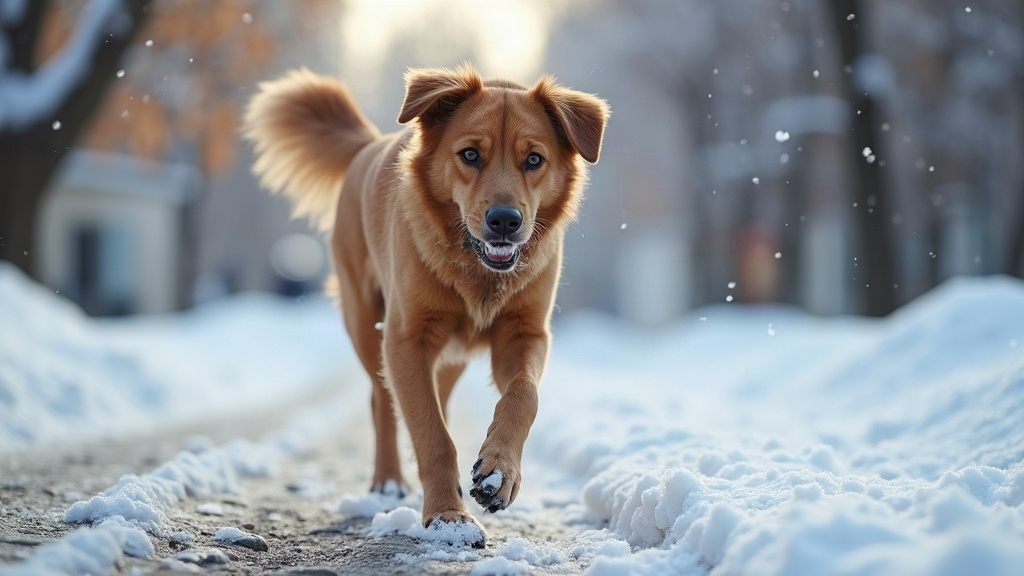
Winter paw cracking in dogs who regularly walk on salted sidewalks is one of the most common cold-weather complaints pet owners bring up, and honestly, it’s also one of the easiest to prevent once you know what’s happening. Rock salt and de-icing chemicals strip the natural oils right out of paw pads, leaving them dry, cracked, and sometimes chemically burned. The fix isn’t complicated. Build a protective routine into your walks and your dog’s paws will make it through the season just fine.
Why Salted Sidewalks Damage Paws
Sidewalk salt (plain old sodium chloride) and the commercial ice-melt blends people scatter on their steps work by lowering the freezing point of water. That’s great for melting ice. It’s rough on skin.
Here’s what actually happens when your dog crosses a treated sidewalk:
- Salt crystals pull moisture out of the paw pads, leaving them dry and brittle, almost like chapped lips but on the bottom of the feet.
- Chemical de-icers such as calcium chloride or magnesium chloride can cause mild burns, and they sting even worse if there’s already a small cut or crack present.
- Cold temperatures alone reduce blood flow to the pads, so the skin becomes more fragile and heals more slowly than it would in summer.
- Repeated freeze-thaw cycles from snow, slush, and salt create an ongoing loop of moisture loss followed by irritation, day after day.
String enough of these walks together over a few weeks and you’ll start seeing cracks, peeling, redness, even limping, and this happens even to dogs whose pads are naturally tough.
Signs Your Dog’s Paws Are Affected
Keep an eye out for these after winter walks:
- Excessive licking or chewing at the paws (a dog trying to soothe irritation)
- Limping, or a sudden reluctance to walk on certain surfaces like ice or gritted pavement
- Visible cracks, dry patches, or flaking skin on the pads
- Redness or swelling between the toes
- White, crusty salt residue clinging to the fur or pads
If you spot cracks that are deep or bleeding, or your dog is clearly in pain, don’t wait it out. Call your vet. Untreated cracks can get infected fast, sometimes within just a day or two.
Prevention: The Core Strategy
1. Use Dog Booties
A properly fitted set of booties puts a physical barrier between the pads and whatever’s on the sidewalk. When shopping, look for:
- Non-slip rubber soles for grip on ice
- Adjustable straps that actually stay put during an energetic walk (nothing worse than stopping every block to retrieve a lost bootie)
- Breathable material so paws don’t overheat or trap sweat
Ease your dog into wearing them. Let them wander around the living room in booties for a few minutes a day before the first real walk. Most dogs look ridiculous at first and then forget they’re even wearing them.
2. Apply a Protective Paw Balm
Before heading out, rub a dog-safe paw balm or wax (musher’s wax is the classic choice) into the pads. Think of it as a raincoat for the feet: it blocks salt and moisture temporarily while also conditioning the skin underneath. If your dog refuses booties, reapply the balm after every single walk without exception.
3. Rinse and Dry Paws After Every Walk
This one habit matters more than anything else on this list:
- Wipe or rinse the paws with lukewarm water the moment you’re back inside.
- Pat dry gently, paying extra attention between the toes, where slush likes to hide.
- Check for cracks, small ice balls, or salt crystals stuck in the fur.
Skip this step and the salt keeps doing its damage long after the walk is over, sitting against the skin for hours.
4. Trim Paw Fur Carefully
Long fur between the pads is basically a trap for snow, ice, and salt. It packs in there and stays wet, which only makes irritation worse. A quick trim every few weeks (careful not to nick the pads themselves) lets snow and slush fall away instead of clumping.
5. Choose Salt-Free Routes When Possible
Grass, dirt paths, or a freshly plowed lot that hasn’t been salted yet are all easier on the paws than a heavily gritted sidewalk. Some cities and businesses have switched to pet-friendlier de-icers, so it’s worth asking a neighbor or glancing at the product label if you’re curious what’s being used near your building.
At-Home Care for Cracked Paws
If the cracking has already started, here’s a simple routine:
- Soak the paws in warm water for about 5 minutes to soften the dead, brittle skin.
- Apply a pet-safe moisturizer or balm twice a day, working it into the cracked spots specifically.
- Cover the paw overnight with a soft sock, if your dog will tolerate it, so the balm has time to absorb instead of getting licked straight off.
- Never use human lotions. Plenty of them contain ingredients that are toxic to dogs if swallowed, and dogs will lick their paws, guaranteed.
If the cracks look infected or just aren’t healing, get your vet involved. Sometimes that means antibiotics or a medicated ointment, and it’s not worth guessing at home.
Building a Winter Paw Care Routine
Here’s a simple checklist to run through all season:
- Before walks: balm on, or booties on
- During walks: steer around the thickest patches of salt when you can
- After walks: rinse, dry, inspect
- Weekly: trim paw fur, check pad condition
- Monthly: restock the balm, check the booties for wear and tear
Conclusion
Salted sidewalks cause a lot of paw damage every winter, but it’s genuinely manageable. Booties, regular balm, and a rinse-and-check habit after every walk go a long way toward keeping your dog’s feet intact through the coldest months. It costs you maybe two extra minutes per walk, and in return you skip the cracked pads, the vet bills, and the limping dog on the couch. That’s a pretty good trade for a snowy season full of happy walks.