Why Is My Dog Panting at Rest? Causes Beyond Heat Explained
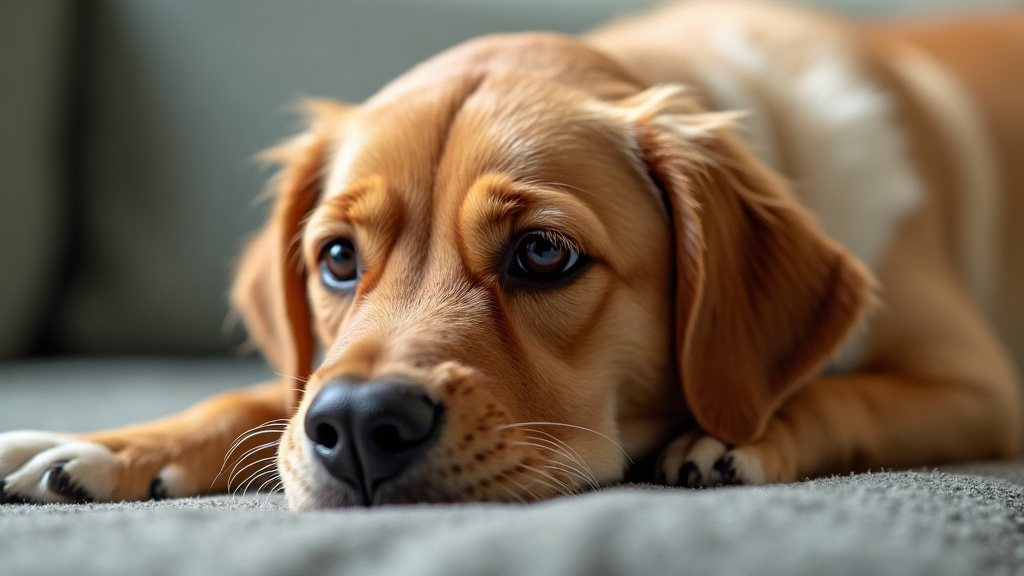
If your dog is lying flat in a cool living room and still panting like it just ran around the block, something’s off. A little panting after a game of fetch or on a hot afternoon is completely normal. But heavy panting at rest, with no heat and no exercise behind it, usually points to pain, stress, or an underlying medical problem worth looking into. Below is a rundown of the most common non-heat causes, how to separate mild from serious, and when it’s time to stop watching and start driving to the vet.
What Counts as “Excessive” Panting?
A calm, comfortable dog usually takes 15 to 30 breaths a minute and only pants in short bursts. Pay attention if you notice:
- Panting that starts out of nowhere, no walk, no heat, no excitement
- Panting that drags on for more than 10 to 15 minutes while your dog is just lying there
- Breathing that sounds noisy, rapid, or shallow
- Panting combined with pacing, restlessness, or an inability to settle down
- Gums that look blue, pale, or brick-red during the episode
If you count more than 35 to 40 breaths per minute at rest, or your dog just seems off, don’t brush it aside. That’s worth investigating.
Common Non-Heat Causes
1. Pain or Discomfort
Pain is probably the most underrated reason dogs pant while resting. Arthritis, back pain, pancreatitis, bloat, even a sprained paw, can all trigger panting while the dog otherwise looks fine on the surface. Things to watch for:
- Hesitating before jumping on the couch, climbing stairs, or lying down
- A hunched posture or a belly that feels tense to the touch
- Panting that gets worse once night falls
2. Anxiety and Stress
Dogs pant when they’re anxious, during thunderstorms, fireworks, long car rides, or after something in their routine shifts (a new pet in the house, a move, an unfamiliar visitor). This kind of panting almost always comes with extras: pacing, drooling, lip-licking, or disappearing under the bed.
3. Heart Disease
Congestive heart failure is one of the top reasons middle-aged and senior dogs start panting for no apparent reason, especially in small breeds like Cavalier King Charles Spaniels, Chihuahuas, and Dachshunds. Keep an eye out for:
- A cough that won’t quit, particularly at night
- Getting tired much faster on walks than they used to
- Panting that worsens the moment they lie flat on their side
4. Cushing’s Disease (Hyperadrenocorticism)
This one shows up mostly in older dogs. Excess cortisol builds up and leads to chronic panting, a pot-bellied look, drinking and peeing more than usual, and fur that thins out over time. Because it creeps in slowly, a lot of owners just chalk the early panting up to “getting old.”
5. Respiratory Problems
Laryngeal paralysis (common in aging Labradors and Golden Retrievers), a collapsing trachea in small breeds, or underlying lung disease can all cause labored breathing even when the dog’s not moving. A raspy, noisy quality to the breathing is usually the tell.
6. Anemia or Low Oxygen
Internal bleeding, from a tumor, a hidden injury, or something toxic the dog ingested, cuts down how much oxygen the blood can carry, so the body compensates by panting harder. Pale gums are the giveaway here, and this situation counts as an emergency. Don’t wait until morning.
7. Medication Side Effects
Steroids like prednisone, along with certain pain medications, are known to cause panting as a straightforward side effect. If the panting started right after a new prescription, call your vet and ask whether that’s expected.
How to Troubleshoot at Home
- Check the gums. Healthy ones look like bubblegum pink. Pale, blue, or very dark red gums mean you head to the vet right away, no waiting.
- Count breaths per minute once your dog has fully settled, not right after a walk or a game in the yard.
- Think back over the last week or two - any new food, new medication, a stressful event, or a bump or fall you might have missed?
- Watch the pattern. Is it nonstop, only at night, or tied to specific triggers like being left home alone?
- Run your hand over the belly gently, checking for bloating, tenderness, or a hard, swollen feel (possible bloat, and that’s an emergency too).
When to Call the Vet Immediately
Get to a vet right away if the panting shows up alongside:
- Gums that are pale, blue, or gray
- Collapse, wobbliness, or stumbling around
- A hard, distended belly (watch for this especially in deep-chested breeds like Great Danes or Dobermans)
- Vomiting, or retching with nothing coming up
- Restlessness so intense it just won’t let up
If it’s milder but sticking around, say, panting most days for over a week with nothing obvious triggering it, book a regular vet appointment. Bloodwork, a chest X-ray, and a hands-on exam usually narrow down the cause pretty fast.
Conclusion
Panting at rest, without heat or activity to explain it, is your dog telling you something’s wrong. It could be pain, anxiety, heart trouble, or a hormone imbalance quietly building up. Don’t just wait and hope it passes if the panting is new, won’t stop, or comes with warning signs like pale gums, a swollen belly, or a wobbly walk. A timely vet visit, paired with simple checks you can do at home like gum color and counting breaths, can be the difference between catching something early and missing an emergency altogether.