Recurring Ear Infections in Dogs With Floppy Ears After Swimming
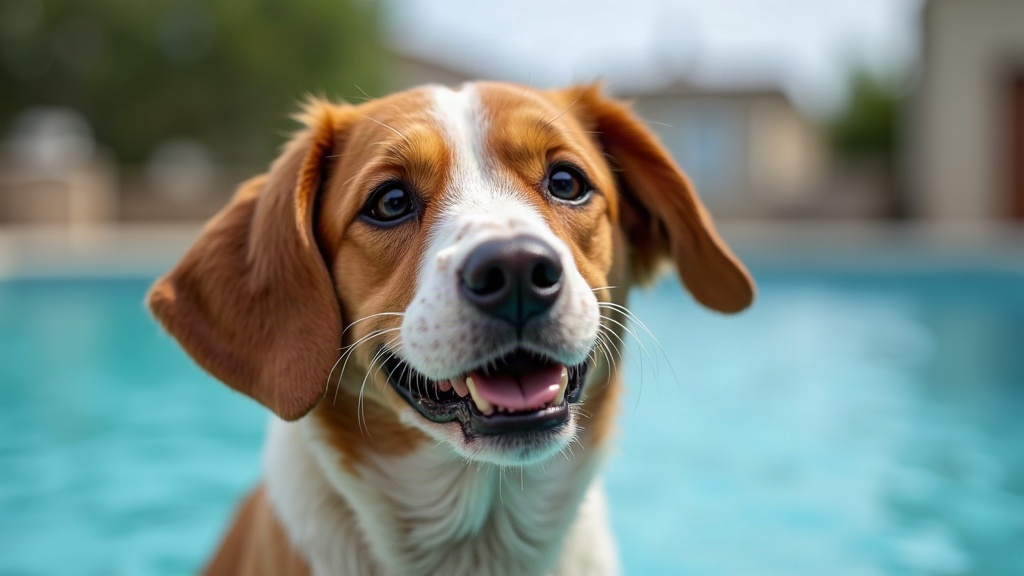
If your floppy-eared dog keeps getting ear infections after every swim session, you’re dealing with a classic anatomy-plus-moisture problem, not bad luck. Breeds like Cocker Spaniels, Basset Hounds, Labradors, and Poodles have ear canals that trap water and warmth, creating a perfect breeding ground for yeast and bacteria. The good news: with the right drying routine, cleaning schedule, and vet follow-up, recurring infections are almost always preventable.
Why Floppy Ears Are So Prone to Infection After Swimming
A dog’s ear canal is L-shaped, which already limits natural airflow and drainage. Floppy ears make it worse by:
- Blocking ventilation. The flap sits over the canal opening, keeping it dark and humid.
- Trapping water. Swimming pushes moisture deep into the vertical canal, where it lingers for hours, sometimes days.
- Promoting overgrowth. Warm, moist environments let Malassezia yeast and bacteria like Pseudomonas multiply rapidly, often within a day or two.
If your dog shakes their head, scratches at their ears, or starts smelling musty or yeasty within 24-48 hours of swimming, that’s the infection cycle kicking off again. Sound familiar? Most owners of floppy-eared dogs have been there at least once.
Signs the Infection Is Coming Back
Watch for these recurring red flags after water exposure:
- Head shaking or tilting
- Scratching at one or both ears
- Dark brown, yellow, or waxy discharge
- Redness or swelling inside the ear flap
- Odor (often described as yeasty or “funky,” and you’ll know it when you smell it)
- Sensitivity when the ear is touched, even a light graze
If these symptoms show up repeatedly, especially within days of swimming, it’s time to troubleshoot the root cause instead of just treating each flare-up as its own isolated event.
Step-by-Step Troubleshooting
1. Confirm It’s Actually Resolving Between Episodes
Many owners assume infections are “recurring” when in fact the original infection never fully cleared in the first place. Have your vet do a swab or cytology test after each treatment to confirm the ear is genuinely clean before your dog gets back in the water. Skipping this step is probably the number one reason infections seem to bounce back every few weeks.
2. Dry Ears Properly, Every Single Time
This is the single biggest factor owners get wrong. Not sometimes wrong. Almost always wrong.
- Use a clean, dry cotton cloth to gently dry the outer ear and flap.
- Follow with a vet-approved drying solution (look for ones containing isopropyl alcohol or witch hazel, which evaporate residual water instead of just sitting there).
- Avoid cotton swabs. They push debris and moisture deeper into the canal rather than removing it.
- Let your dog shake their head freely right after swimming. Don’t hold them still or towel-wrap them the second they climb out, that natural shake does real work.
3. Rethink Your Cleaning Schedule
Over-cleaning can irritate the ear lining and cause more inflammation. Under-cleaning lets moisture sit undisturbed for days. There’s a middle ground, and it looks something like this:
- Before swimming: apply a drying or preventive ear solution.
- After swimming: dry thoroughly, then apply a maintenance cleaner within 1-2 hours, not the next morning.
- Weekly (non-swim days): routine cleaning only if your vet recommends it for your dog’s specific ear shape.
4. Check for Underlying Causes
If infections keep returning despite solid drying habits, ask your vet to rule out:
- Allergies (food or environmental). This is probably the leading cause of chronic ear inflammation, and it’s often overlooked for months.
- Ear mites or foreign bodies (grass awns, debris, the occasional stray seed picked up on a walk).
- Hypothyroidism, which can quietly alter skin and ear health over time.
- Narrowed or stenotic ear canals, which in severe chronic cases may need surgical correction, such as a lateral ear resection.
5. Consider Swim Restrictions During Active Infections
Letting your dog swim while an infection is active will almost always prolong or worsen it, no exceptions. Pause water activities until your vet confirms the ear canal is genuinely clear, not just “looking better.”
Prevention Checklist for Swimming Dogs
- Use a vet-recommended drying ear solution before and after every swim
- Keep ear hair trimmed around the canal opening (ask a groomer) to improve airflow
- Avoid swimming in stagnant or dirty water when you have a choice
- Schedule a vet ear check every 6 months if your dog swims regularly
- Switch to a hypoallergenic diet trial if allergies are suspected
When to See a Vet Immediately
Don’t wait out a third or fourth flare-up hoping it clears on its own. See your vet right away if you notice:
- Pus-like or bloody discharge
- Severe pain, or your dog won’t let you anywhere near the ear
- Head tilting to one side persistently, not just a quick shake
- Loss of balance or disorientation (this can point to inner ear involvement, which is a bigger deal)
Conclusion
Recurring ear infections in floppy-eared dogs after swimming almost always come down to one of three things: trapped moisture, incomplete treatment, or an undiagnosed underlying condition like allergies. Commit to a strict drying routine, confirm full resolution between episodes rather than assuming it, and work with your vet to investigate root causes. Do that, and most dogs get to go right back to splashing around, infection-free, the way they should be.