Heatstroke Warning Signs in Brachycephalic Dogs During Car Rides
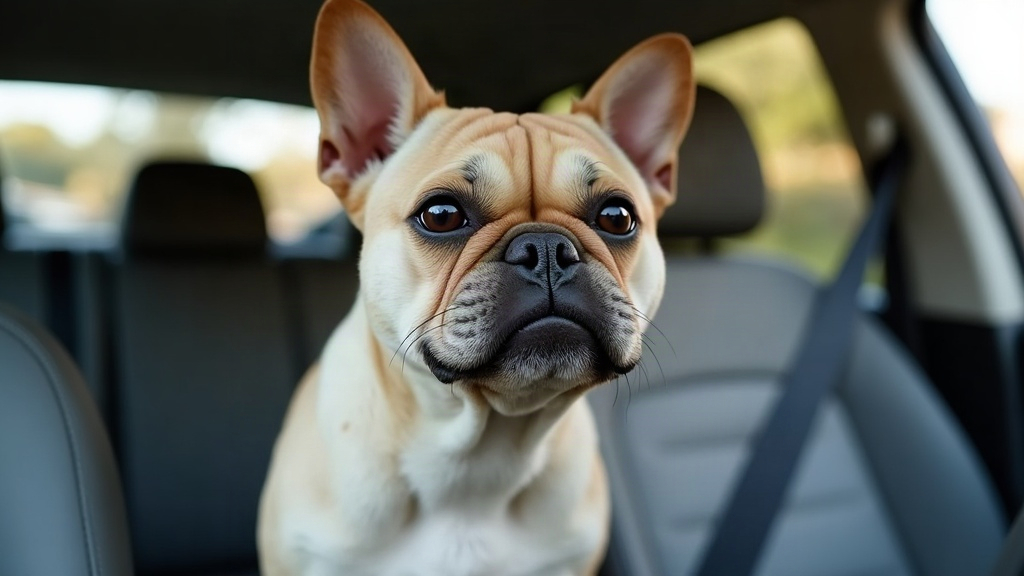
Why Heatstroke Hits Flat-Faced Dogs Faster in Cars
Pugs, French Bulldogs, English Bulldogs, Boston Terriers, Shih Tzus, Boxers: if you own one of these, you already know they snore like old men and overheat like they’re wearing a wool coat in August. That’s not a coincidence. Brachycephalic dogs face a much higher risk of fatal heatstroke in cars than other breeds, and it doesn’t take a 95°F heat wave to do it. Their short airways make panting, their main cooling mechanism, far less effective, so what starts as mild discomfort can turn into a life-threatening emergency in a matter of minutes. Knowing the early signs and reacting fast, not “in a bit,” fast, can genuinely save your dog’s life.
Why Flat-Faced Dogs Overheat So Fast
Dogs cool down mainly by panting. Air moves over the moist tissue of the mouth, throat, and nasal passages, and heat escapes that way. Simple enough, except brachycephalic breeds have anatomy working against them at every step:
- Narrowed nostrils (stenotic nares) that restrict airflow
- Elongated soft palates that partially block the airway
- Smaller tracheas, which cut down on air exchange
- Compact skulls, which trap heat around the brain and airway tissue
Put it all together and you get a dog that simply can’t shed heat the way a Labrador or a Border Collie can. A parked car, even with the windows cracked, can turn into a convection oven in under 10 minutes. For a flat-faced dog, there’s almost no buffer left once that happens.
Early Warning Signs (Don’t Wait for These to Worsen)
This is the window that matters most. Catch it here and it’s a scare. Miss it and it’s a tragedy. Keep an eye out for:
- Heavy, frantic panting that sounds raspy or strained
- Bright red or purplish gums and tongue
- Excessive drooling, noticeably thicker than usual
- Restlessness or pacing in the seat or carrier
- Loud, labored breathing (stridor), a classic red flag in flat-faced breeds
- Glassy or wide eyes, looking anxious or disoriented
If any of this shows up within the first few minutes of a drive, don’t wait to see if it passes. Pull over, get the dog into shade or AC, and reassess.
Advanced Signs: Medical Emergency
Miss the early warnings, and things escalate quickly. At this point you might see:
- Vomiting or diarrhea (sometimes with blood)
- Weakness, stumbling, or generally uncoordinated movement
- Collapse, or an inability to stand at all
- Seizures
- Pale or blue-tinged gums, a sign the dog isn’t getting enough oxygen
- Unconsciousness
This is no longer a “watch and wait” situation. It’s an emergency, full stop. Once body temperature climbs past 104°F (40°C), internal organ damage can begin within 10 to 15 minutes. There’s no grace period here.
What To Do Immediately
- Get the dog out of the car and into shade or an air-conditioned room right away, no delays.
- Offer small sips of cool water, not ice-cold, and never force it down their throat.
- Lay cool, wet towels on the neck, armpits, and groin. Skip the ice; it constricts blood vessels and actually traps heat instead of releasing it.
- Point a fan or AC vent at the wet fur to speed up evaporation.
- Call an emergency vet right away, even if your dog seems to be bouncing back. Organ damage doesn’t always show up on the surface immediately.
Don’t fall into the trap of “let’s just wait and see.” Brachycephalic dogs can crash much faster than other breeds once heatstroke takes hold, sometimes within minutes of looking “fine.”
Prevention Is the Real Solution
- Never leave a brachycephalic dog alone in a parked car, not even for “just a minute.” Temperatures inside can jump 20°F (11°C) in just 10 minutes.
- Travel during cooler hours, think early morning or after sunset.
- Pre-cool the car with the AC running before your dog ever gets in.
- Use a cooling mat or vest on longer rides.
- Keep trips short, and check on your dog at every stop, even quick ones.
- Carry water and a portable fan in the car, just in case.
- Know your route to the nearest emergency vet before you set off on anything longer than a quick errand.
Final Thoughts
Flat-faced dogs just don’t get the safety margin other breeds have when it comes to heat. A car ride that feels totally fine to you, windows half down, a short errand, can turn dangerous fast for a Pug, a Frenchie, or a Bulldog. Learning to recognize the early signs (heavy panting, red gums, that restless pacing) and acting on them immediately isn’t some optional extra. It’s basic, breed-specific care. So when you’re unsure, skip the drive, crank the air conditioning, and keep your short-nosed buddy cool through the summer, no exceptions.