Raw Diet vs Freeze-Dried Diet for Cats with Sensitive Stomachs
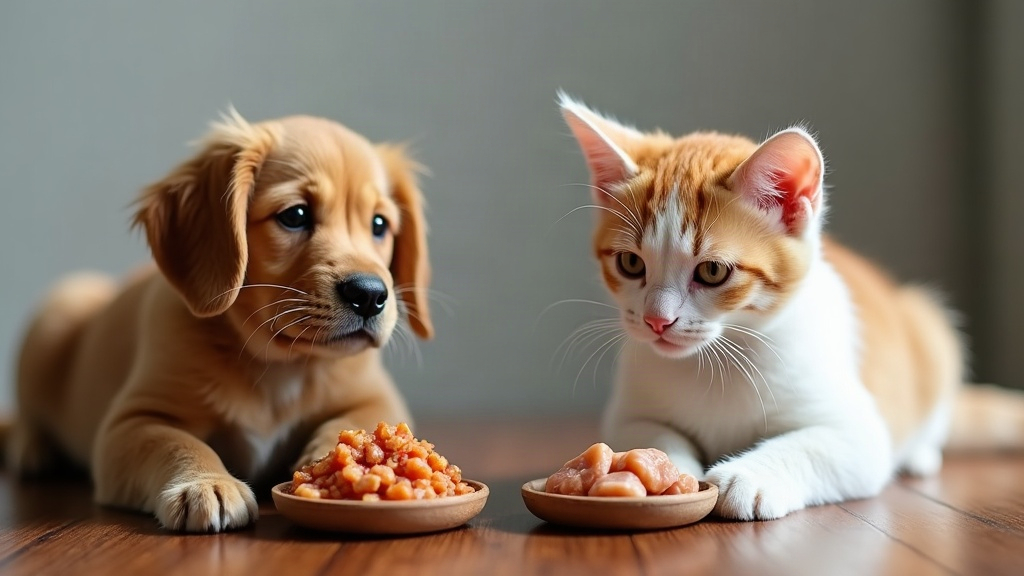
If your cat throws up after meals, has stool that never quite firms up, or turns its nose up every time you switch foods, you’ve probably landed on the same question a lot of owners ask: raw or freeze-dried, which one is actually gentler? Short version: freeze-dried usually wins for sensitive tummies. The processing cuts pathogen load and pulls out moisture in a controlled way, whereas raw, even though it’s nutritionally similar, comes with more batch-to-batch variability and handling risk that can set off a flare-up in a cat whose gut is already touchy. Let’s break it down properly so you can figure out what actually fits your cat.
Understanding the Two Diets
Raw diet is exactly what it sounds like: uncooked meat, organs, and bone, either commercially made or put together at home, served fresh or thawed straight from the freezer. It’s the closest thing to what a cat would eat if it were hunting for itself.
Freeze-dried diet starts life as raw food too, but the water gets pulled out through a freeze-and-vacuum process. Most of the nutrients survive that process intact, bacterial counts drop sharply, and the end result sits on a shelf just fine until you add water back in.
Why Sensitive Stomachs React Differently
Cats with touchy digestion tend to struggle with a handful of specific things:
- Diet changes that happen too fast
- Fat content that’s too high, or just inconsistent from bag to bag
- Bacterial contamination (think Salmonella, E. coli)
- Sudden shifts in moisture that throw off stool consistency
Raw Diet: Pros and Cons for Sensitive Cats
Pros:
- Protein that’s easy to digest, with almost no filler
- No synthetic preservatives in the mix
- Usually better hydration, thanks to the naturally high moisture content
Cons:
- Bacterial risk is not theoretical. A 2023 FDA sampling turned up pathogens in a surprising chunk of commercial raw cat food, even the “human-grade” stuff
- Fat content can swing from batch to batch, and that’s often enough to trigger diarrhea
- Handling has to be strict. Thawing, hygiene, storage, one slip and you’re dealing with a GI flare-up
Freeze-Dried Diet: Pros and Cons for Sensitive Cats
Pros:
- The pathogen-reduction step during processing cuts infection risk substantially
- Shelf life is long and formulation stays consistent, so you’re not gambling on batch variability
- Portion control is simple: rehydrate only what your cat needs for that meal
- Good option for slow eaters, since it doesn’t spoil sitting out the way thawed raw does
Cons:
- It’s still nutritionally raw underneath, so a rich fat or protein load can still upset a weak stomach if you rush the introduction
- Costs more per calorie than either raw or kibble
- Needs proper rehydration. Serve it too dry and you risk dehydration-related constipation
Which Is Better for Sensitive Stomachs?
For the majority of cats with a sensitive gut, freeze-dried is the safer place to start. The nutrient ratios stay consistent bag after bag, and the bacterial risk is much lower. That said, if your cat already handles raw fine and you’re disciplined about food safety (frozen storage, no leaving food out at room temperature, bowls that actually get sanitized), fresh raw can work just as well, and in some cases better, since freeze-dried loses some of the moisture that raw keeps naturally.
Transition Tips for Sensitive Cats
- Go slow. Mix in about 25% new food with 75% of the current diet for a full week.
- Watch stool consistency and energy levels for 5 to 7 days before bumping up the new food ratio.
- Start with a single-protein formula (chicken or rabbit, for example) so you can actually pinpoint what’s causing a reaction, if anything.
- Rehydrate freeze-dried food fully, exactly as the package says. Don’t hand it over dry.
- Don’t change the protein and the texture at the same time. One variable at a time.
Cost and Convenience Comparison
| Factor | Raw Diet | Freeze-Dried |
|---|---|---|
| Shelf life | Days (frozen: months) | 12–18 months unopened |
| Prep time | Thawing, portioning | Just add water |
| Pathogen risk | Higher | Lower |
| Cost per month | Moderate–High | High |
| Nutrient consistency | Variable by batch | Very consistent |
When to Consult Your Vet
Got a cat with a history of chronic vomiting, IBD, or pancreatitis? Talk to a veterinary nutritionist before you touch either diet. Some sensitive-stomach cats do better on a lower-fat raw or freeze-dried formula, and others need something else entirely, like a hydrolyzed protein diet.
Conclusion
Both raw and freeze-dried can work for cats with sensitive stomachs. Freeze-dried tends to be the steadier bet, thanks to lower bacterial risk and a nutrient profile that doesn’t shift from bag to bag. If you’re determined to feed raw anyway, treat food safety as non-negotiable and take the transition slowly. Either path you pick, introduce it in small steps, keep an eye on how your cat’s digestion responds, and call your vet if anything doesn’t settle down.