How to Stop a Dog from Pulling on the Leash (Step-by-Step Guide)
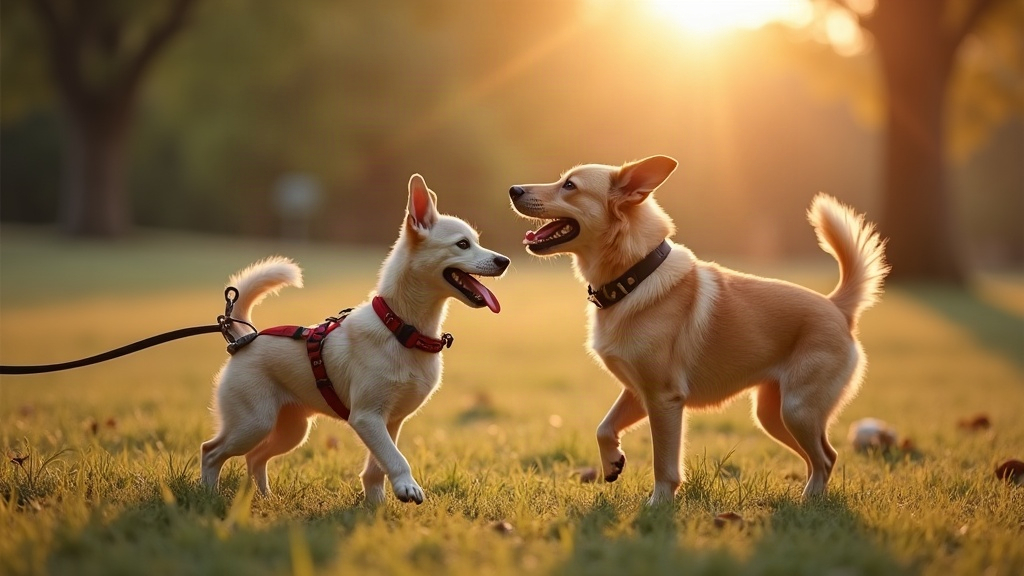
If your dog turns every walk into a tug-of-war the second the leash clicks on, take a breath: you’re in good company. Leash pulling tops the list of complaints dog owners bring to trainers, and yet it’s also one of the more fixable habits out there. Give it the right technique, some consistency, and gear that actually helps rather than hinders, and most dogs pick up loose-leash walking within a few weeks. Below is what actually causes the pulling, which methods work in practice, and the equipment worth investing in.
Why Dogs Pull on the Leash
Fixing the behavior sticks better once you know what’s driving it.
- Dogs are just built to move faster than we do. A brisk human pace is a lazy trot for most dogs, so surging ahead feels completely normal to them, not defiant.
- The world is full of things worth investigating. A dropped french fry wrapper, a squirrel three yards up a tree, another dog’s scent on a fire hydrant. Resisting all that takes self-control most untrained dogs simply don’t have yet.
- Pulling has paid off before. If lunging toward the tree or the neighbor’s cat got your dog there faster in the past, that lesson stuck. Dogs repeat what works.
- Nobody’s shown them the alternative. A dog that’s never felt what a genuinely loose leash feels like doesn’t know it’s an option.
Step 1: Choose the Right Equipment
Before you even start training, check that your gear isn’t sabotaging you from the start.
- Front-clip harness: When your dog pulls, this design swings them gently back toward you instead of grinding pressure into their throat.
- Skip the retractable leash. These things basically train your dog that pulling harder means more freedom to roam. That’s the opposite of the lesson you’re going for.
- A standard 4 to 6 foot leash: Enough length to be comfortable, not so much that you lose all control.
- Head halters (think Gentle Leader): Great for big, strong, or reactive dogs, but don’t just strap one on and go. Take a few days to build positive associations first, or your dog will fight it the whole walk.
Step 2: The “Stop and Stand” Method
If you only try one technique, make it this one. It’s low-effort and it works.
- Start walking normally. The instant the leash goes taut, freeze. Stop moving entirely.
- Say nothing. Don’t tug, don’t scold, just stand there like a fence post.
- The moment your dog glances back at you or the leash goes slack again, mark it with a quick “yes!” and hand over a treat.
- Keep walking. Repeat this every single time the leash tightens, no exceptions.
Eventually the message sinks in: pulling stalls the walk, a loose leash keeps it going.
Step 3: Reward Position, Not Just Behavior
Correcting pulling is only half the job. Dogs learn faster when you actively pay them for doing the right thing:
- Drop treats right at hip level every few steps early on, so they associate that spot next to you with good things.
- Praise in an upbeat voice whenever the leash is slack, even if it’s just for three seconds.
- As the habit solidifies, stretch out the gap between rewards little by little.
Step 4: Practice the “Change of Direction” Technique
When your dog rockets ahead, skip the stop-and-wait and just pivot, walk the other way without any warning. No cue, no countdown. This forces your dog to keep half an eye on you at all times (where’s my human going now?), which builds attention naturally and cuts down on pulling without you saying a word.
Step 5: Manage High-Distraction Environments
Even a dog that walks beautifully in your living room can fall apart at the sight of a squirrel. A few ways to handle that:
- Put more distance between your dog and whatever’s setting them off, enough that they can still think straight.
- Bring out the good stuff, chicken, cheese, hot dog bits, for busy streets and dog parks. Save the plain kibble for the quiet cul-de-sac.
- Build up gradually: master your driveway, then your street, then the park on a Tuesday morning before you attempt Saturday afternoon at the farmers market.
Common Mistakes to Avoid
- Letting it slide “just this once”: One relaxed walk where you let your dog drag you to the mailbox can undo a week of progress.
- Yanking on the leash: Beyond the risk of neck strain or real injury, a jerk on the collar doesn’t teach anything except that walks are unpleasant.
- Only doing long walks: A focused 10-minute training session beats a meandering 45-minute walk where old habits quietly creep back in.
- Rewarding too late: If the leash goes loose and you fumble for a treat five seconds later, your dog has no idea what earned it. Timing has to be immediate.
How Long Does It Take?
Give it 2 to 4 weeks of daily practice, roughly 10 to 15 minutes a session, and most dogs show real, visible improvement. Puppies tend to pick it up faster simply because they haven’t had years to practice pulling. A five-year-old dog who’s been dragging owners around since puppyhood will need more repetition and a good deal more patience, but it’s rarely too late to retrain.
Final Tips for Long-Term Success
- Warm up with a few minutes of loose-leash practice before the “real” walk begins, right in the driveway or hallway.
- Keep training sessions short and upbeat. A frustrated handler makes for a stressed dog, and that slows everything down.
- Get the whole household on the same page. If one person lets pulling slide, the dog gets confused fast.
- Notice the small stuff. One full block of loose-leash walking without a single tug? That’s genuine progress, not nothing.
Conclusion
At its core, fixing leash pulling comes down to three moving pieces: gear that works with you instead of against you, a consistent method like stop-and-stand, and rewarding the calm, loose-leash moments the second they happen. Stick with it daily and most dogs go from leash-draggers to genuinely pleasant walking partners, and honestly, that shift makes every walk better for both ends of the leash.