Slow Feeders vs Puzzle Bowls for Dogs Who Bloat Easily
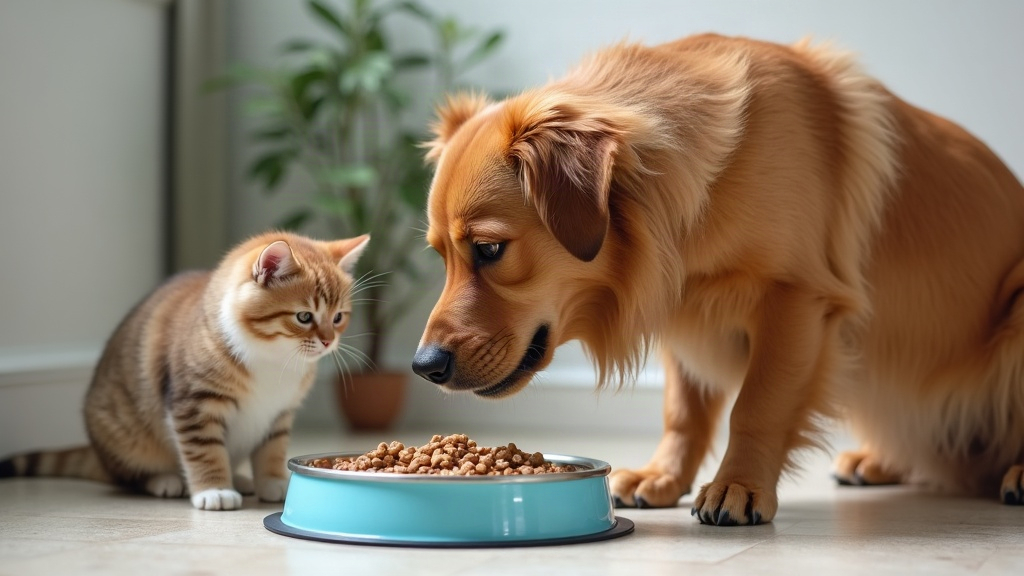
If your dog inhales food in seconds, swallows half its body weight in air along with the kibble, or belongs to a bloat-prone breed like a Great Dane, German Shepherd, or Standard Poodle, the choice between a slow feeder and a puzzle bowl isn’t just a shopping decision. It’s a safety call. Both tools slow eating down, but they do it through different mechanisms, and picking the wrong one for your dog’s personality can actually make bloat risk worse instead of better. Here’s what actually matters when you’re choosing.
Why Fast Eating Is Linked to Bloat
Bloat occurs when the stomach fills rapidly with gas, food, or fluid and expands, sometimes twisting on itself (a condition called GDV, gastric dilatation-volvulus). It’s an emergency. No exaggeration, dogs can die within hours if it’s not treated. Purdue University’s long-running bloat studies point to a handful of consistent risk factors:
- Eating quickly (gulping large amounts of air along with food)
- One big meal a day rather than two or three smaller ones
- Deep-chested breeds (Great Danes, Weimaraners, Standard Poodles, Boxers)
- Vigorous exercise right before or after a meal
- Raised feeding bowls (yes, the old advice was backwards; elevated bowls may actually increase risk in large breeds)
Slowing eating down cuts air intake and gives the stomach a chance to process food gradually instead of all at once. That’s the whole premise behind slow feeders and puzzle bowls.
Slow Feeders: How They Work
Slow feeder bowls have raised ridges, knobs, or maze-like patterns built right into the bowl. Your dog has to work their tongue and nose around these obstacles to get at the food, which naturally stretches out a 30-second meal into several minutes.
Best for:
- Dogs who can clear a bowl of kibble in under 60 seconds
- Multi-dog households, where competition at mealtime tends to speed everyone up
- Owners who want something simple: fill it, set it down, done
Watch out for:
- Very deep, narrow-channel designs can frustrate some dogs to the point where they flip the bowl or start digging at it, which ironically brings the air-gulping right back
- Plastic versions can trap bacteria in the grooves; stainless steel or silicone models are much easier to actually get clean
- Not great for wet or raw food, which just pools in the channels instead of forcing the dog to work for it
Puzzle Bowls: How They Work
Puzzle bowls (also called interactive feeders) turn mealtime into a problem to solve. Sliding pieces, rotating compartments, flaps that need to be lifted. They work the brain as much as the mouth.
Best for:
- Food-driven, mentally sharp dogs (think working and herding breeds, the ones who’d rather have a job than a nap)
- Dogs who need enrichment on top of slower eating, particularly anxious or under-stimulated ones
- Getting two problems solved in one bowl: slower eating and boredom relief
Watch out for:
- Some of these are genuinely tricky, and that can be a real problem for senior dogs or dogs showing signs of cognitive decline
- More moving parts means more surfaces to scrub, and more small pieces that could end up chewed and swallowed if a dog gets frustrated
- Not every puzzle bowl is dishwasher-safe, so check the label before you buy one you’ll dread cleaning
Slow Feeder vs Puzzle Bowl: Quick Comparison
| Factor | Slow Feeder | Puzzle Bowl |
|---|---|---|
| Ease of cleaning | Moderate (grooves) | Varies, often harder |
| Mental stimulation | Low | High |
| Learning curve | Minimal | Can be steep |
| Best for extreme gulpers | Yes, if ridges are tall enough | Sometimes too slow to start |
| Risk of frustration-driven behavior | Low-moderate | Moderate-high |
Which One Should You Choose?
- Go with a slow feeder if your priority is simply cutting eating speed with the least amount of hassle, especially for large or giant breeds already at higher GDV risk.
- Go with a puzzle bowl if your dog is bored, food-obsessed, and shrugs off mild frustration instead of spiraling into anxiety over it.
- Or use both. Rotate them: slow feeder for weekday meals, puzzle bowl as weekend enrichment.
Additional Bloat-Reduction Tips
- Split meals into 2-3 smaller portions a day rather than one large one.
- Skip vigorous exercise for at least an hour before and after eating.
- Keep bowls at floor level for deep-chested breeds unless your vet says otherwise.
- Watch for bloat warning signs: unproductive retching, a swollen or drum-tight abdomen, restlessness, or collapse. Any of these means an emergency vet visit, right now, not in the morning.
Conclusion
Both slow feeders and puzzle bowls can genuinely cut down on gulping and lower bloat risk, but which one is “best” comes down to your dog’s temperament, breed, and how they eat. High-risk deep-chested dogs usually do fine starting with a simple, sturdy slow feeder. Dogs who need more mental engagement often do better with the added challenge of a puzzle bowl. Whichever route you take, pair it with smaller, more frequent meals and a quiet routine after eating, and if your dog belongs to a known high-risk breed for GDV, talk to your vet before settling on anything.