Can Dogs Eat Sweet Potatoes Safely? Benefits and Serving Tips
🔎 Free tool: Curious what’s really in your pet’s food? Search any ingredient in our Pet Food Ingredient Decoder.
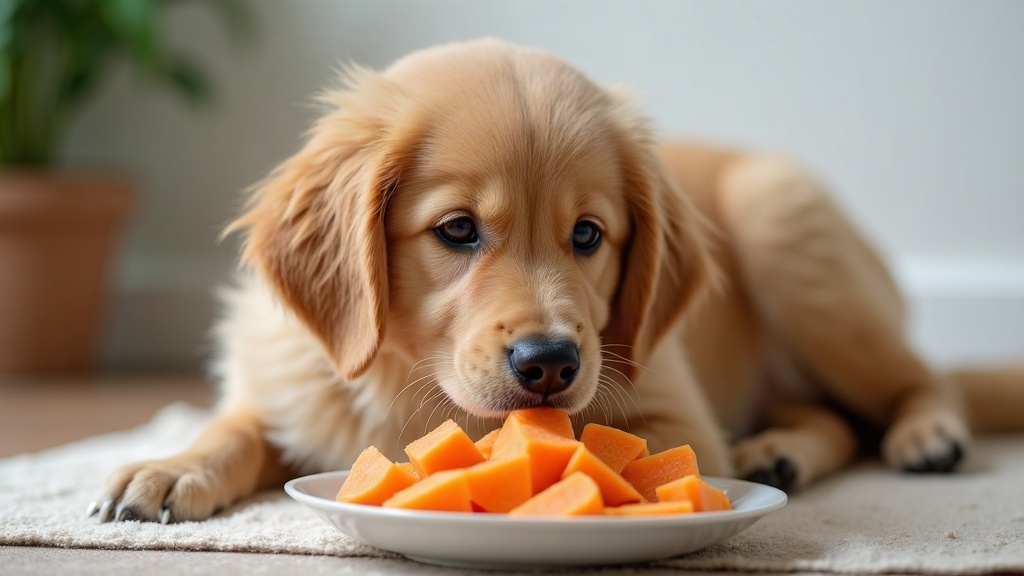
Yes, dogs can safely eat sweet potatoes as long as they’re cooked, plain, and served in small amounts. They bring fiber, beta-carotene, and a handful of useful vitamins to the table, but think of them as an occasional bonus, not a diet overhaul. Skip anything raw, sugary, or heavily seasoned.
Are Sweet Potatoes Good for Dogs?
A plain, cooked sweet potato can genuinely be a nice treat for most dogs. It’s naturally low in fat, and it carries nutrients that quietly support everyday bodily functions.
Here’s what you’re actually giving your dog with a serving of cooked sweet potato:
- Dietary fiber, can help keep digestion moving along smoothly
- Beta-carotene, the body turns this into vitamin A
- Vitamin C, an antioxidant that pitches in for overall health
- Potassium, plays a role in muscle and nerve function
- Vitamin B6, helps with energy metabolism
That deep orange color? That’s the beta-carotene doing its thing. Vitamin A matters for eyesight, skin, and immune health, sure, but more isn’t automatically better here. A dog already eating a complete commercial diet is getting what it needs, so sweet potato should stay in “nice extra” territory rather than becoming a daily staple.
The Safest Way to Serve Sweet Potatoes
Keep it boring, honestly. Wash it, cook it until it’s soft, and serve it plain, that’s the whole formula.
Good preparation methods
Sweet potato works well when it’s:
- Baked with no oil, butter, salt, or seasoning
- Steamed until soft
- Boiled in plain water
- Mashed with nothing added, no milk, butter, sugar, or spices
- Cut into small, soft, bite-sized pieces
Cooking softens it up and makes it much easier to chew and digest. If your dog has a sensitive stomach, peel off the skin first, though for most healthy dogs, a small bit of well-cooked skin won’t cause any trouble.
Foods and toppings to avoid
That leftover sweet potato casserole from Thanksgiving? Not for the dog. Same goes for pie, fries, or basically any human recipe built around it. These dishes tend to hide ingredients that range from unhealthy to outright dangerous for dogs:
- Butter, cream, or a heavy pour of oil
- Salt or salty seasoning blends
- Sugar, syrup, marshmallows, artificial sweeteners
- Nutmeg, toxic in large enough amounts
- Garlic and onion powder, both off-limits for dogs
- Bacon, cheese, or rich sauces
Even a perfectly innocent baked sweet potato turns into a problem the moment it’s buried under toppings like these.
Can Dogs Eat Raw Sweet Potatoes?
No, steer clear of raw sweet potato. It’s hard, starchy, and tough on the digestive system. A dog that gulps down a chunk of it risks choking, and in rarer cases, it can even cause an intestinal blockage.
It’s not like handing your dog a raw carrot. The dense, tough texture of raw sweet potato makes cooking a non-negotiable step, not just a nicety. If your dog snags a small piece off the kitchen floor before you can stop them, keep an eye out for vomiting, belly discomfort, or straining to pass stool. Call your vet if you notice any of that, or if the piece they swallowed was on the larger side.
How Much Sweet Potato Can a Dog Eat?
Portion size really comes down to your dog’s size, calorie needs, regular diet, and general health. As a rule of thumb, treats and extras, vegetables included, shouldn’t add up to more than about 10% of a dog’s daily calories.
A rough starting guide for plain cooked sweet potato:
- Small dogs: 1 teaspoon to 1 tablespoon
- Medium dogs: 1 to 2 tablespoons
- Large dogs: 2 to 3 tablespoons
- Giant breeds: up to 1/4 cup, and only now and then
If this is your dog’s first time trying it, start below these amounts. Too much fiber all at once can lead to gas, loose stools, or the opposite problem, constipation.
Picture it this way: a 12-pound terrier might do just fine with a single teaspoon stirred into dinner, while a 70-pound Lab could handle a couple of tablespoons as a topper without issue. Watch how their stool looks over the next day or two, and adjust from there.
Are Sweet Potatoes Safe for Dogs With Health Conditions?
Not every dog should be eating sweet potatoes regularly, and this is one of those cases where it’s worth a quick check with your vet, especially if your dog has a medical condition or is on a prescription diet.
Extra caution is warranted for dogs dealing with:
- Diabetes, the carbs in sweet potato can affect blood sugar levels
- Weight issues, those extra calories can stall weight-loss efforts
- A history of pancreatitis, particularly risky if the sweet potato comes with fatty add-ons
- Kidney disease, potassium intake often needs to be watched closely
- Food sensitivities or digestive issues, new foods can trigger flare-ups
Dogs prone to calcium oxalate bladder stones fall into this category too, and really deserve individualized advice from a vet. Sweet potato gets a healthy reputation, sure, but whether it actually fits depends entirely on the dog in front of you.
Sweet Potato Chews: Are They a Good Idea?
Dehydrated sweet potato chews are convenient, no argument there, but because the water’s been removed, they pack more calories per bite than fresh cooked sweet potato. Depending on how they’re made, they can also end up rock-hard or oddly sticky.
Look for single-ingredient chews from a brand you trust, watch your dog while they chew, and pick a size that actually matches your dog. Skip anything with added sugar, flavorings, preservatives, or ingredients you don’t recognize. Making your own at home? Slice thin to cut down on choking risk, and store them properly, nobody wants moldy dog treats in the pantry.
A Simple Sweet Potato Treat Idea
Here’s an easy one: mash up plain cooked sweet potato, spoon it into an ice cube tray, and freeze. On a hot day, one small frozen cube makes a nice, mess-contained treat, just size it appropriately for your dog.
You could also just stir a spoonful into their regular food for a bit of variety. If you go that route, skip the other treats that day so the total calories still add up sensibly.
Conclusion
Cooked, plain, and portioned sensibly, that’s really all it takes for dogs to enjoy sweet potatoes safely. Leave the raw chunks and holiday casseroles alone, ease into it slowly, and factor in your dog’s own health picture before making it a habit. Treated as an occasional extra, sweet potato can be a genuinely tasty, wholesome little addition to many dogs’ diets.