Beginner vs Advanced Nail Trimming for Paw-Shy Dogs
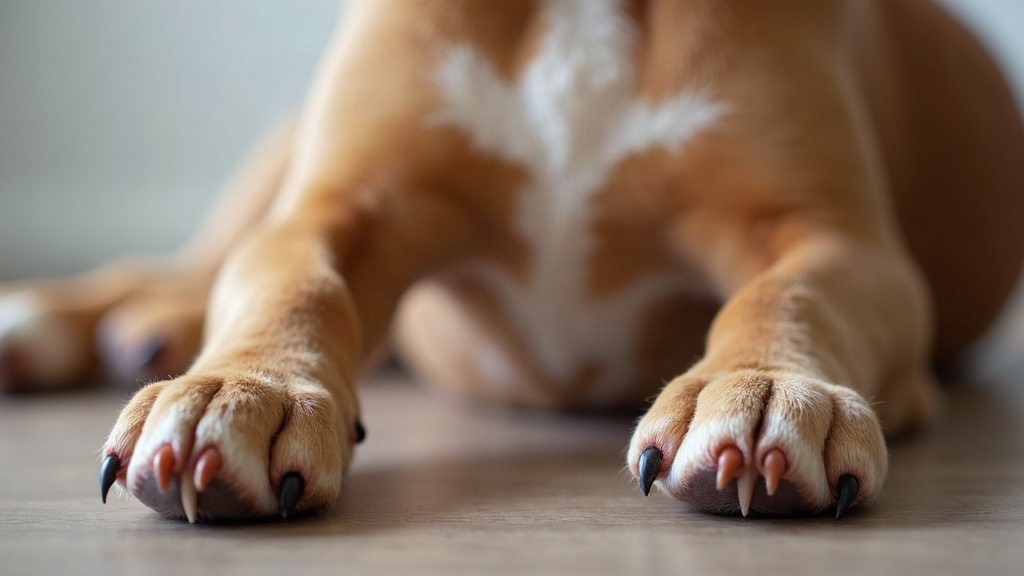
If your dog yanks their paw away, growls, or turns nail trimming into a full-body wrestling match, you’re not alone. Most dogs who hate having their paws touched aren’t being stubborn. They’re reacting to past pain, poor handling, or just plain lack of exposure. The good news? Nail trimming is a skill you can teach in stages, starting with basic groundwork and building up to more advanced handling as your dog’s tolerance grows. This guide walks through exactly how to do that, whether you’re starting from zero or leveling up a dog who’s already made some progress.
Why Dogs Hate Having Their Paws Touched
Before jumping into technique, it helps to understand the “why” behind the reaction. Common causes include:
- A past quick cut that hit the sensitive quick and caused pain or bleeding
- Lack of early handling as a puppy, so paws feel foreign and vulnerable
- Sensitive nerve endings in the paws (dogs rely on them for balance and traction)
- Restraint stress, where being held tightly triggers a flight response
Once you understand this, the goal shifts. It’s no longer “get the nails cut” but “build enough trust that nails can be cut.” That one mental switch changes your whole approach.
Beginner Techniques: Building Tolerance First
If your dog currently panics at the sight of clippers, skip the clippers entirely for now.
1. Desensitize touch alone
Spend a few days just touching paws briefly, pairing it with a high-value treat right after. No clippers, no filing, just touch, treat, release. Keep sessions under 30 seconds. Think of it as laying groundwork, not making progress toward a trim yet.
2. Introduce the tool without using it
Let your dog sniff the clipper or grinder. Touch it gently to their paw without cutting anything. Reward calm behavior generously, even if all they did was not flinch.
3. Trim one nail per session
Once touch is tolerated, cut a single nail, treat immediately, and stop there. Ending on a good note matters more than finishing all four paws in one sitting. A dog with 18 nails doesn’t need them all done today.
4. Use the right tool for beginners
- Guillotine clippers are simple and precise for small-to-medium dogs.
- Scissor-style clippers work better on thicker nails, common in larger breeds.
- A styptic powder should always be within arm’s reach in case you nick the quick.
Advanced Techniques for Dogs Making Progress
Once your dog tolerates basic handling, you can refine your approach for faster, calmer sessions.
1. Switch to a nail grinder
A rotary grinder (think Dremel-style) removes small amounts of nail gradually, which lowers the risk of hitting the quick and often feels less “sharp” to sensitive dogs than a clipper’s snap. Introduce the sound on its own first. Plenty of dogs are more afraid of the buzzing noise than of anything touching their paw.
2. Try counter-conditioning with a lick mat
Smear peanut butter or wet food on a lick mat stuck to the wall or floor at nose height. Trim nails while your dog is busy licking and distracted, so the whole activity gets paired with something they enjoy instead of something to grit their teeth through.
3. Train a “paw target” cue
Teach your dog to voluntarily place a paw in your hand on command. It sounds small, but giving them a sense of control over the interaction cuts resistance way down compared to you simply grabbing the paw.
4. Work with gradual restraint
Here’s the counterintuitive part: advanced handling means less physical restraint, not more. Instead of pinning the paw, let your dog stand or lie in a relaxed position and just support the paw lightly, almost like you’re holding hands rather than clamping down.
How Often Should You Trim?
Most dogs need a trim every 3-4 weeks. Signs it’s time:
- Nails click loudly on hard floors
- Nails visibly curve or touch the ground when standing
- Your dog seems to be favoring certain steps
When to Call a Professional
If your dog shows aggression, extreme fear, or you’ve hit the quick more than once or twice, it’s worth booking a groomer or vet tech who has experience with fearful dogs. Many clinics offer “nail trim only” visits, some as short as 10 minutes, and use calming techniques like towel wraps or muzzle training for safety, both for your dog and for the person holding the clippers.
Conclusion
Trimming a paw-shy dog’s nails isn’t about mastering one perfect technique. It’s about matching your approach to where your dog actually is right now. Start with pure desensitization and single-nail sessions, then move on to grinders, paw-targeting, and relaxed handling as trust builds. Patience beats speed every time, and a dog who learns that nail trims are safe will make every future session a little easier than the last.